Gruppi e Solisti
commenti, contributi e opinioni
kynoos@jadawin.info
In questa pagina tratterò brevemente di gruppi e solisti nell'ambito musicale: musica leggera, rock, blues, folk etc.
Crosby Stills Nash (& Young)
Uno dei miti musicali tuttora vitali, a più di trent'anni dagli inizi. Riporto qualcosa trovato nel web.
°°°
Da http://www.repubblica.it/spettacoli/musica/ 11 Agosto 2014 dc
Crosby, Stills, Nash & Young: tutti contro tutti. Ma quell'ultimo tour è scolpito nella storia
di Paolo Russo
È nei negozi "CSN&Y Live 1974", un box triplo con 40 brani pubblicato in sette differenti versioni fisiche e digitali. Dietro l'integrale di quel giro di concerti scorre un torrente di aneddoti. E l'8 agosto, al Roosevelt Stadium, nel New Jersey, Nash annunciava: "Il nemico dell'America si è dimesso". Era Nixon, travolto dallo scandalo Watergate.
"The Doom Tour", il tour della rovina. Così, a cose fatte, David Crosby definì la trionfale eppure sciagurata reunion che nel 1974, giusto quarant'anni fa, lo aveva riportato in tour, dopo 4th Way Street, 1970, con Graham Nash, Stephen Stills e Neil Young. Per quello che fu il lunghissimo addio in diretta dell'adorato supergruppo, segnato nel profondo da vite e caratteri ormai inconciliabili. E dal tutti contro tutti della sua breve, discontinua e favolosa storia. Trenta concerti in 24 grandi città Usa, dal 9 luglio al Seattle Coliseum al gran finale di Wembley, 14 settembre, sola apparizione europea della storia del supergruppo. A una media di oltre 30.000 persone a concerto: ai due di Oakland furono 90.000, a Wembley 80.000 tutti in una notte. In apertura, tenetevi forte, a volte i Beach Boys, altre The Band, fissi Joni Mitchell, fresca sfidanzata da Nash, e l'ottimo Jesse Colin Young. Una cosa impensabile oggi come allora, nessuno dei quattro ancora oggi nega la paura e l'emozione provata di fronte a quegli oceani osannanti. Alla fine furono oltre un milione le persone - fra loro, si dice, anche Dylan - che al tempo del colpo di stato in Cile, del bagno di sangue finale in Vietnam e del Watergate andarono in laico pellegrinaggio a quel rito libertario di note e pensieri, monumentale eppure incredibilmente vero e vivo perché autentico. Vent'anni prima del Boss e degli U2. Senza maxichermi in HD, palchi monumentali né luci e amplificazioni digitali di ultima generazione. Allora la grande musica bastava.
Nash e
Bernstein, tre anni per un miracolo. Certo, i suoni erano i migliori
disponibili: i nove set registrati lo furono con un futuribile mixer
mobile a sedici piste. Due live vennero anche videoripresi,
all'insaputa dei ragazzi sul palco. Una vera fortuna perché grazie a
questo Graham Nash, il solo che per equilibrio, capacità,
determinazione e sincero affetto per tutti gli altri indifferentemente,
potesse tentare una simile impresa (e che ora "minaccia", oltre a un
disco con Crosby di cover di Tim Hardin, Dylan, Grateful Dead, Jackson
Bowne, Beatles e James Taylor, di rieditare anche Deja Vu), e Joel
Bernstein, il fotografo della West Coast ma pure musicista e produttore
di rango (e fra l'altro a lungo archivista personale di Young), hanno
potuto fare il miracolo. E siccome per i miracoli ci vuole tempo, a
loro sono occorsi più o meno tre anni. Fra ricerche, lavoro in studio,
obbligatori e non sempre comodi confronti sui risultati con ognuno
degli altri tre e gli inevitabili, conseguenti, faticosissimi
rifacimenti, per arrivare, puntualmente torturati da Young per la
ricerca della maggior vicinanza possibile al live, alla versione
definitiva in 24/192 bit di CSN&Y Live 1974. Il box triplo con 40
brani da poco uscito per la Rhino in ben sette versioni fra fisiche e
digitali (con dvd, blu ray, bonus, libretto di 188 pagine, inediti,
edizione de luxe ma pure di un solo disco), e preziosissimo a
prescindere. Nell'orgia spesso confusa e furbastra dei recuperi
d'archivio, il lavoro in questione umilia il gruppone non solo per la
stupefacente qualità audio e l'accuratezza del booklet, ma anche perché
realizzato con rigore filologico, attingendo alle nove serate
registrate e montandole secondo l'impaginato del tour - avvio
elettrico, parte centrale acustica, finale elettrico - per dare la
sensazione di un unico live.
Neil Young, una Caddie e una Rolls. A questo si aggiunga che Live 1974
fotografa il gruppo al massimo della maturità dei singoli e del
collettivo, sempre molto più grande della somma delle parti: nel
turbine anche violento della quotidiane guerre fratricide, la musica fu
per i quattro il solo lasciapassare per un ritorno alla fenomenale
confluenza dei rispettivi geni. Che, con il celestiale impasto delle
voci, la vibrante bellezza dei brani acustici e la lisergica potenza di
quelli elettrici, si mostrano in purezza nei capolavori più noti
(Wooden Ships, Guinevere e Almost Cut My Hair di Crosby, Teach Our
Children, Military Madness e Immigration man di Nash, Love The One
You're With, Suite Judy Blue Eyes, Change Partners e l'incandescente
blues di Word Game di Stills), insieme alle luminose gemme già edite
(da Helpless a Don't Be Denied, Old Man e Ohio) e quelle nuove di zecca
portate in dote da Young (Traces, Love/Art Blues, Hawaian Sunrise, la
straziante Pushed It Over The End giusto del tour del '74 con gli altri
che Neil tolse da Decade un attimo prima della pubblicazione nel 1976).
Che, è doveroso ricordarlo, le aveva estratte dallo scrigno dell'arte
sua fra il colossale Harvest (1972) e l'allora (1974) appena uscito, e
tutt'oggi inarrivabile, On The Beach, la cui dolente title track
porterebbe già da sola tutto il box nell'alto dei cieli.
Impossibile far meglio. Cosa che non giovò certo ai rapporti, da sempre
al limite del collasso, fra lui e gli altri, segnatamente, come
accadeva fin dai Buffalo Springfield, con l'altro mega ego del
quartetto, quel buon vecchio irascibile virtuoso di Stills, che, fra le
molte sue cose belle, sul live incendia una hendrixiana versione della
propria Black Queen. Men che mai, e degli altri, fu dunque disposto il
Folle Texano a sopportare creatività, bizze e guasconate del Gran
Canadese, per giunta ultimo arrivato dei "Beatles americani". Che, per
capirci meglio, mentre gli altri viaggiavano su bus comunque separati,
seguì il tour nordamericano per conto suo con una sgangherata Caddy del
'48. Sopra, solo il piccolo, fragile Zeke, avuto con l'amatissima
Carrie Snodgrass dalla quale s'era, con gran dolore, appena lasciato.
Una volta a Londra, quel malinconico snob si comprerà una Rolls Royce
Phantom 1 del '28: su quella andrà in giro per l'Europa con Nash che,
come racconta nella sua recente autobiografia Wild Tales, per la prima
volta insieme da amici lontano dallo stress di concerti e
registrazioni, scoprirà di quell'uomo così spesso insopportabilmente
scostante, ostile e individualista, tutta la dolente, profonda,
toccante umanità.
Non per
soldi ma per la musica (e la politica). Anche se Bill Graham, l'astuto
ma geniale zar del rock, promise ai ragazzi 1,4 milioni di dollari a
testa per il tour, finita la musica gliene darà solo il 20 per cento.
Né d'altronde CSN&Y, già ricchi per conto proprio, s'eran gettati
per soldi in quella battaglia personale perduta in partenza. Archiviati
trionfalmente i due precedenti dischi collettivi, ognuno aveva ripreso
la strada solista. Il che aveva regalato al mondo capolavori come If I
Could Only... di Crosby, i fortunati e notevoli primi due dischi di
Nash, le belle prove di Stills solo e coi Manassas, dello Young di On
The beach s'è già detto. Fu lui a parlarne per primo, durante il tour
di Tonight's The Night. Poco dopo Crosby confermò che si poteva fare.
E, dopo che Elliot Roberts, manager dei quattro, mise nell'orecchio di
Graham la pulce di un tour come non se n'erano più visti da quello
americano dei Beatles, così fu. I manager si misero in cerca degli
stadi da baseball e football necessari all'impresa. I musici andarono a
provare al Broken Arrow Ranch di Young, che l'aveva dotato di uno
studio di registrazione e di un palco scala 1:1. Con loro una ritmica
da sogno: Russ Kunkel, Tim Drummond, Joe Lala. Sei ore al giorno sei
giorni la settimana dai primi di maggio a fine giugno. Ne venne fuori
una scaletta di 44 pezzi, i concerti del tour non duravano mai meno di
tre ore. Piene solo della loro musica. E basta: "Vivemmo momenti
meravigliosi in quei concerti", ha dichiarato di recente Crosby a Brian
Wise, firma del giornalismo rock, "era tutto nella magia della musica,
non conosco nessuno che abbia preso rischi simili o abbia lavorato a
quei livelli. Con la musica riuscivamo ad andare oltre ogni cosa,
rancori, zuffe, droghe, ego, fama, denaro, le manipolazioni che
cercavano di fare su di noi. Eravamo veramente molto molto di fuori,
come nelle nostre vite private, ma quelle canzoni, quelle musiche erano
così forti, così stellari che tiravano fuori il meglio di noi e ci
portavano, tutti insieme, oltre noi stessi. Non c'era posto per le
stronzate e il caos sul palco. Davvero n'è valsa la pena".
***
Il più famoso gruppo californiano degli anni '70 nasce nel 1968 ad opera di tre artisti già famosi, reduci da altre esperienze musicali. David Crosby proviene da Byrds, di cui é stato uno dei membri fondatori, Stephen Stills é uno dei leader dei Buffalo Springfield, mentre Graham Nash fa parte del gruppo inglese degli Hollies. I tre, insoddisfatti delle situazioni precedenti, decidono di unirsi riuscendo ad ottenere un contratto dalla Atlantic. Pubblicano così il loro album d'esordio nel 1969 che si rivela un ottimo lavoro di folk acustico. Ma dal disco successivo la situazione cambia: al trio si unisce Neil Young, già con Stills nei Buffalo Springfield e titolare di due buoni album da solista, che porta nel gruppo le sue ottime doti di chitarrista e compositore. Nasce così nel 1970 "Dejà vu", il lavoro più bello e famoso del gruppo che, però, sarà l'unico album di studio che il quartetto darà alla stampe per molti anni. Infatti, dopo un tour e il relativo live pubblicato nel 1971, il gruppo si scioglie e tutti e quattro gli artisti si dedicano alla carriera solista. Crosby e Nash proseguono anche come duo, pubblicando tre discreti album (mia nota: mi sento di dire che almeno il primo omonimo "Crosby Nash" è semplicemente perfetto e stupendo). Il sodalizio si ricompone nel 1977, senza Neil Young, e dà vita ad un lavoro più che dignitoso che ottiene un buon successo di pubblico . Passano cinque anni prima che ritorni sul mercato un nuovo album con il nome del glorioso gruppo. Nel 1982 viene infatti pubblicato "Daylight Again" che, pur non essendo niente di eccezionale, frutta anch'esso un discreto successo di vendite, in particolar modo con il singolo "Southern cross". Dopo alcune prove deludenti di Stills e Nash, nel 1988 si ricompone incredibilmente il quartetto ed é proprio Neil Young il promotore dell'operazione che presta i suoi studi per l'incisione di "American Dream", buon disco di un inatteso ritorno. Il gruppo si ripresenta di nuovo come trio nel 1990 con il mediocre "Live It Up" e poi nel 1994 con un buon lavoro: "After the Storm". L'ultima puntata di questa lunga storia va in scena nel 1999 quando, con l'ennesimo ritorno di Young nella band, viene pubblicato "Looking Forward", discreto lavoro che niente aggiunge alla fama del quartetto.
***
Quella che segue è una cronistoria contenuta nel sito http://www.ondarock.it/ , sembrerebbe datata 2009 dc (vedi in fondo il riferimento a Woodstock).
di Mauro Vecchio
L'hippy malinconico Crosby, pervaso dal
sacro fuoco della psichedelia. Il "Capitano Moltemani" Stills,
dall'intrepida verve chitarristica. Lo spirito melodico Nash, forgiato
dal Merseybeat. E a dar man forte, il fervore elettrico del loner
Young. Quattro moschettieri per uno dei più leggendari supergruppi
della storia del rock
Magia a tre voci
1969. Nel mondo
del rock è tempo di lampi elettrici. Il trionfo allegorico del
Pete Townshend
di “Tommy”, l’orgia
riffata dei
Led Zeppelin, il
furore sonoro di
James Marshall Hendrix.
L’estate di Woodstock saluta al sole con l’abbraccio lisergico dei
figli di Haight-Ashbury.
Il serpente lungo sette miglia si contorce sul caldo ritmo della
latinoamerica di Carlos Santana.
Un’estasi pagana che, tuttavia, tradisce un lato tenero, impegnato,
magico.
E’ il 1969 quando tre musicisti diversi tra loro forgiano un sound
assolutamente innovativo, pilotato in folk, in country, in blues.
“Solo” per raccontare le ombre di quella stessa generazione, sfregiata
dalla prima guerra vista in tv.
Stephen Stills porta in dote la semplicità immediata dei Buffalo
Springfield.
David Crosby odora della psichedelia di “Eight Miles High” e
“Renaissance Fair”.
Il Mersey Beat ha coccolato il talento irrequieto di Graham Nash.
Non è, quindi, questione di semplice armonia e sincretismo. I Moby
Grape ne sanno già qualcosa. E’, piuttosto, un discorso di intrecci, di
quelli che vengono creati all’improvviso come una formula magica. Tre
voci, canzoni, chitarre. La rivoluzione è tutta qui.

Alla corte di Joni
Laurel Canyon, estate 1968. Non è un periodo
sereno quello che stanno vivendo Stephen Stills (Dallas, 3/1/1945) e
David Crosby (Los Angeles, 14/8/1941). Il primo, dopo lo scioglimento
dei seminali
Buffalo Springfield,
è in crisi per aver mancato l’ingresso come bassista nella favolosa
Experience di Jimi Hendrix. Il secondo, Crosby, ha appena mollato i
Byrds, in
rotta di collisione con Roger McGuinn per l’esclusione di “Triad”
dall’album “Notorious Big Brothers”. L’obiettivo di entrambi pare
chiaro: stare lontano dal clamore del palco, ricaricare le batterie,
cercare una nuova via musicale.
In esilio nei salotti di Joni Mitchell e Mama Cass Elliott, i due
meditano sul da farsi, trovando un’improvvisa lampadina creativa.
A giugno viene, così, prodotto un acetato - contenente “Long Time Gone”
e “Guinnevere” (con Jack Casady al basso) - che, in un lampo, arriva
nelle mani di altri due personaggi.
B. Mitchell Reid è un dj di una radio di Los Angeles, la KSAN, e inizia
a trasmettere il disco in anteprima assoluta ai suoi ascoltatori,
parlando di un nuovo duo a nome Frozen Noses. Il secondo ad entrare in
possesso delle canzoni di Crosby e Stills è Graham Nash (Blackpool,
2/2/1942), leader degli Hollies, gloriosa band di Manchester attiva dal
1963. Nash ha già conosciuto David durante un tour negli Usa e,
ascoltando “Guinnevere”, si convince ad abbandonare il suo gruppo per
cambiare aria. “Quel giorno eravamo nel salotto di Joni, quando David e
Stephen cantarono 'You Don’t Have To Cry'. Mi spiegarono la canzone e
come avevano lavorato. Poi chiesi loro di cantare ancora e cominciavo
ad avere una vaga idea di quello che avrei potuto fare io. Quando ci
sentimmo cantare insieme per la prima volta, fu straordinario. Queste
tre persone dal differente background potevano cantare in modo magico.
Non penso che nessuno riesca a fare quello che abbiamo fatto noi”.
E’ in una sera dell’estate del 1968 che nasce una band dal nome
semplice e inusuale: CS&N.
Per non perdere altro tempo, il trio si riunisce negli studi Record
Plant di New York, dove vengono registrati i primi demo
acustici che, dopo poco, finiscono nelle lungimiranti orecchie di Ahmet
Ertegun, capo supremo dell’Atlantic Records. Il produttore turco non ci
mette molto a mettere sotto contratto i tre musicisti, pensando
seriamente che “sarebbero diventati grandissimi”.
All’inizio del 1969, Crosby, Stills e Nash varcano la soglia degli
studi Wally Heider di Los Angeles dove, con l’aiuto della batteria di
Dallas Taylor e della voce di Mama Cass, registrano in via definitiva
il loro album di debutto.
Crosby, Stills & Nash (Atlantic, 1969) è un
mosaico sonico fatto ad arte, confezionato da artigiani della musica
che inseguono una visione coerente quanto rivoluzionaria. All’esterno,
una società in rapida evoluzione, sospesa tra protesta e utopia;
all’interno, un ponte magico tra la canzone d’autore, le radici più
pure del country-folk e il sogno della controcultura californiana. E’,
forse, il diavolo in persona a materializzare la rigogliosa fusione
caleidoscopica di tre talenti unici, così diversi per influenze ed
esperienze precedenti.
Il totale può, a volte, valere molto di più dell’elemento singolo.
Anche se l’elemento singolo cresce sulle dita di Stephen Stills,
soprannominato – non a caso – Capitano Moltemani. La verve creativa
dell’ex-Buffalo Springfield tiene per mano tutto il disco, portandolo a
incontrare il suo manifesto artistico, “Suite: Judy Blue Eyes”, che
ricama la storia d’amore con Judy Collins con perfetta fluidità
armonica e capacità vocale nel finale cubano.
La chitarra di Stills macina accordi brillanti, come nell’incedere
sinuoso di “Long Time Gone”
(di Crosby, nota mia), frullato di folk, soul e blues
che disseta le labbra acide del
West Coast sound. Stills allora, l’artigiano di “49 Bye-byes”,
pozione magica di tre ugole stregonesche.
Graham Nash è troppo legato al Mersey per abbandonarlo brutalmente da
un giorno all’altro. Nash è, dunque, la melodia, il ritmo beat
che si tinge di psichedelia in “Pre-Road Downs”, alimentata da una
irresistibile chitarra trattata al contrario. E’ il viaggio verso la
spiaggia californiana, strampalato e solare come il ritmo
elettro-acustico di “Marrakesh Express”.
Infine, David Crosby, hippy dalla faccia simpatica che
nasconde una profondità triste dietro a un paio di baffi folti. A
partire da “Guinnevere”, mistica nenia medievale sulla donna, fino al
capolavoro “Wooden Ships”, scritto con Paul Kantner dei
Jefferson Airplane. Una progressione lisergica su una fiaba
apocalittica. Un’utopia generazionale in tempo di jazz.
Queste le coordinate stellari di un nuovo universo acustico, festoso
come nel folk-blues di “You Don’t Have To Cry”, malinconicamente intimo
come nelle scheletriche “Lady Of The Island” e “Helplessy Hoping”.
Un disco, insomma, che si incastra perfettamente nella sua epoca,
testimonianza di un sole che lotta per non tramontare. Mai.
Crosby, Stills & Nash viene ufficialmente
pubblicato nel maggio 1969, incontrando subito i favori del pubblico e
della stampa specializzata. Nello stesso momento, tuttavia, i tre
annullano alcune date
live in programma, non disponendo di una sezione ritmica e di un
chitarrista aggiunto.
Alla batteria si siede, così, Dallas Taylor – già session-man
durante le registrazioni del disco – mentre, per il posto vacante alla
chitarra, è lo stesso Ertegun a suggerire l’ex-compagno di Stills nei
Buffalo Springfield
(Nota mia: si narra che i tre avessero pensato a
John Sebastian).
Si tratta, ovviamente, di
Neil Young
(Toronto, 12/11/1945) che, tramite il suo terribile manager Elliott
Roberts, accetta solo a condizione che sia aggiunta una certa lettera
al nome della band.
Stills è preoccupato che possano verificarsi altre liti dopo
l’esperienza con i Buffalo, ma, alla fine, cede, dando vita a una nuova
versione del supergruppo: CSN&Y.
Country boys
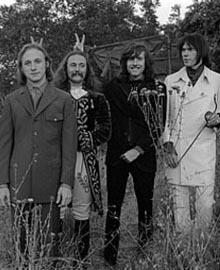 Laurel Canyon, estate
1969. A casa di Stills, i neonati CSN&Y si ritrovano per provare
alcuni pezzi inediti, in attesa di un debutto dal vivo che tarda ancora
a causa di alcuni problemi alle corde vocali di Nash.
Laurel Canyon, estate
1969. A casa di Stills, i neonati CSN&Y si ritrovano per provare
alcuni pezzi inediti, in attesa di un debutto dal vivo che tarda ancora
a causa di alcuni problemi alle corde vocali di Nash.
L’esordio arriva, finalmente, il 16 agosto all’Auditorium Theatre di
Chicago, introdotto da un set della signora del folk,
Joni Mitchell.
E’, tuttavia, un paio di giorni dopo che il gruppo entra in un vero e
proprio stato di leggenda vivente. Alle tre del mattino del 18 agosto,
i quattro salgono sul palco floreale di Woodstock dove iniziano con un set
acustico (senza Young) per finire, insieme, nel tripudio di “Long Time
Gone”, “Wooden Ships” e dell’inedita “Sea Of Madness”.
In barba alla dichiarazione dello stesso Young – “il concerto è stato
una vera merda” – inizia così l’avventura della band che, subito dopo,
partecipa al Big Sur Folk Festival e al raduno di Altamont, dove si
esibisce poco prima della tragedia durante lo show dei
Rolling Stones.
Eppure, non ci sono solo i fiori di Woodstock sul solare sentiero dei
quattro. La ragazza di Crosby, Christine Gail Hinton, rimane uccisa in
un incidente d’auto, facendo sprofondare il chitarrista nell’acqua alta
della droga. Non se la passano meglio Young e Stills, che sono
invischiati in relazioni già praticamente finite.
C’è aria di crisi, dunque, nei Wally Heider’s Studios di Los Angeles,
quando CSN&Y danno il via ai lavori per il loro album di debutto.
Sono proprio i due vecchi compagni di band a litigare più di frequente.
Young vuole registrare tutto il disco in presa diretta, mentre Stills,
noto perfezionista, vorrebbe ritoccare ogni singola nota non
completamente al suo posto.
Le sedute proseguono, quindi, a velocità altalenante, impreziosite
dall’armonica di John Sebastian e dalla pedal steel di
Jerry Garcia.
Tra il dicembre 1969 e il gennaio 1970, in attesa della fine delle session
in studio, il gruppo prosegue il tour, arrivando in Europa, alla Royal
Albert Hall di Londra per uno spettacolo da incorniciare.
Con l’inserimento di Neil Young, Déjà Vu
(Atlantic, 1970) protegge l’intimità acustica del primo album con un
caleidoscopico campo di forza elettrico. A viaggiare a velocità doppia
sono orizzonti sonici – ancora una volta – perfettamente amalgamati, in
nome di una generazione di accordi rigogliosi e arrabbiati.
Da hippy in crisi esistenziale, David Crosby emerge come
sciamano, veemente nella splendida progressione soul-blues di “Almost
Cut My Hair”. Qui il coerente legame con Crosby, Stills & Nash, nel
ritrovare i sani ingredienti di campagna, come nell’isolata gemma folk
di “4 + 20”, firmata da Stephen Stills. A continuare, tuttavia, è
soprattutto la magia alchemica delle menti singole:
Déjà Vu, infatti, è la nuova, collettiva formula
magica di quattro stregoni diversi tra loro, ma accomunati dalla stessa
passione per la tradizione rivisitata.
Nash prosegue la sua preziosa ricerca melodica, appendendo il quadretto
beatlesiano di
“Our House” prima di incrociare la steel di Jerry Garcia nel
luminoso angolo country di “Teach Your Children”.
Stills, maniaco della perfezione sonora, pare divertirsi come un bimbo
nello smontare e rimontare canzoni diverse. Frutto del suo istinto da
adolescente del blues, “Carry On”, orientaleggiante nenia
elettro-acustica con intermezzo psichedelico. Mattoncini musicali fatti
a mano, scolpiti con sapienza dalla chitarra di Young che ricama
elettricità sulla serpentina barocca della
title track, impreziosita dall’armonica folk di John Sebastian.
Diavolerie
bluesy che deflagrano nella “Woodstock” di Joni Mitchell,
altra eco dell’esibizione d’agosto che lancia il quartetto in cima al
mondo rock.
Young è sicuro del suo contributo nella band, portando l’erba country a
crescere fino a mezzo metro da terra. Schiva, “Helpless” fa l’amore con
il gospel, proprio mentre “Country Girl” si gode il suo valzer barocco.
In fondo, quattro uomini d’altri tempi – almeno a giudicare dalla
copertina del disco – che lottano in musica per quello che ritengono
giusto. E forse si tratta proprio di pace e amore, stando a quello che
grida alla fine l’inno corale di “Everybody I Love You”. Forse, invece,
è qualcosa di più profondo, una meditazione zen su quello che non
saremo, probabilmente, mai più. Come una sensazione perenne di déjà
vu.
Déjà Vu esce a marzo e la maggior parte della
stampa si mette in fila per celebrare il gran lavoro della band. Basta
un niente, tuttavia, e gli allori si trasformano in rovi spinosi:
subito dopo la pubblicazione, Young molla i tre compagni per andare in
tour con i neonati Crazy Horse. Crosby, Stills e Nash sono furenti,
soprattutto per il fatto di ritrovarsi da soli con un disco importante
senza la possibilità di eseguirlo al meglio dal vivo. I tre, allora,
decidono di accantonare la band per dedicarsi ad attività artistiche
personali.
Tutti per uno o uno per tutti?
Il primo a tornare in solitudine negli studi
Wally Heider è il “Capitano Moltemani” Stephen Stills che, tra il marzo
e l’aprile del 1970, registra l’omonimo album di debutto. Ad
accompagnarlo in Stephen Stills (Atlantic,
1970) c’è una vera e propria parata di star del rock, in fila per dare
un contributo al talento già consolidato del chitarrista. Senza la
presenza ingombrante di Neil Young, Stills può dare libero sfogo alle
sue manie di perfezione sonica, ricamando un disco che riesce comunque
a brillare per genuinità.
Cavallo da classifica, “Love The One You’re With” è un pregevole inno
tra gospel e folk, impreziosito dalle armonie vocali degli stessi
Crosby e Nash con Rita Coolidge.
Stephen Stills è un disco ben bilanciato, in
bilico tra certe perizie strumentali (la percussione folk di “Do For
The Others” e lo scintillante blues acustico di “Black Queen”) e una
spiritualità di fondo, tessuta dall’organo di Booker T. Jones nella
ballad “Church (Part Of Someone)”.
Cuore dell’album, tuttavia, è l’incontro al vertice dei signori della
chitarra elettrica. “Old Times Good Times” vira verso lidi funky,
incendiata dall’ultima, luciferina chitarra di James Marshall Hendrix a
confronto, subito dopo, con la magia blues della “blackie” del “dio”
Eric Clapton
in “Go Back Home”. C’è anche Ringo Starr, ma la mente la mette tutta
Stills che vela di malinconia orchestrale l’acustica west coast
di “To A Flame” e risponde senza mezzi termini al fuggitivo Young con
la contro-ballad folk di “We’re Not Helpless”.
Un esordio, dunque, sincero che mette in evidenza il lato più musicale
di una band che resta improvvisamente sospesa nel limbo.
Qualche mese più tardi, Young torna sui suoi passi e accetta l’idea di
un nuovo tour con i tre compagni. Al basso viene chiamato Calvin
Samuels, mentre Dallas Taylor viene licenziato per una profonda
incompatibilità con lo stesso Neil. Dietro le pelli si accomoda, così,
l’ex-Turtles Johnny Barbata.
Nel maggio del 1970, i giovani americani sono in rivolta contro le
scelte del presidente repubblicano Richard Nixon sulla tragica guerra
in Vietnam.
All’Università di Kent, Ohio, quattro ragazzi vengono colpiti a morte
dalla Guardia Nazionale che apre il fuoco sulla folla scatenata. Neil
Young apprende la notizia dai giornali e, in uno scatto d’indignazione,
inizia a scrivere “Ohio” che viene immediatamente registrata dai
quattro e consegnata a Ertegun. Il 45 giri esce a giugno – lato B,
“Find The Cost Of Freedom” – e, sospinto dal caos generale, brucia le
tappe in classifica, raggiungendo la quattordicesima posizione.
Alla vigilia della nuova, calda estate, CSN&Y tornano sul palco, a
Boston, dando inizio a un tour che verrà ricordato negli annali del
rock americano. Sulla scia dello show di Woodstock, i concerti vengono
divisi tra una parte acustica e una elettrica, registrati, poi, in
previsione di un corposo disco dal vivo.
Succoso frutto di diverse esibizioni nell’estate del 1970, Four
Way Street (Atlantic, 1971) è la definitiva orgia creativa
di quattro musicisti-cantastorie. Sul palco, CSN&Y riescono
nell’arduo compito di racchiudere in poche ore mezzo secolo di
tradizione musicale americana, dal blues più antico e sofferto alle
canzoni folk di protesta. Più che un concerto, un vecchio spettacolo
radiofonico in presa diretta, dove “quelli che hanno la chitarra in
mano” sono esattamente come “quelli che sono seduti ad ascoltare”.
Quando David Crosby introduce il folk-blues del silenzio di “Triad” si
avverte un’immediata sensazione di intimità, ma, soprattutto, di
estrema sincerità. Come se fossimo davvero tutti in un sogno westcoastiano,
a nuotare nell’oceano di arpeggi di “The Lee Shore”. Umori e
contraddizioni di quattro uomini, troppo differenti tra loro per
sopravvivere a un’unità che vorrebbe assemblarli, fonderli. E sono
queste stesse contraddizioni a rendere così straordinariamente genuino
un doppio disco dal vivo come Four Way Street.
Arriva il momento di Nash e di “Chicago” - invettiva melodica per
pianoforte e coro - oltre che del folk emozionato, tenero di “Right
Between The Eyes”. Poi, un cowboy dallo sguardo scostante che, senza
fare molti preamboli, inizia a ricamare accordi in polvere di luna,
cristallini nella luce di “Cowgirl In The Sand” e “Don’t Let It Bring
You Down”.
Il cammino di Neil Young è già segnato, nella sua stessa solitudine
esistenziale, nel suo canto malinconico. Non è il doppio album di un
supergruppo, ma un progetto musicale ben definito, qualcosa che va al
di là dei singoli interpreti.
Stephen Stills siede al piano per l’artigianale “49 Bye-byes” (in medley
con “For What Is Worth”) e per presentare il futuro successo
gospel-folk di “Love The One You’re With”. E’ la celebrazione finale di
una primigenia anima acustica, strappata ai cieli dalla terrena
elettricità di due sciamani.
A svettare su tutti sono Stephen Stills e Neil Young che danno vita
alla strepitosa guerra sonica dell’inno “Southern Man” e all’infinita jam
strumentale di “Carry On”.
Nello spettacolo si apre, così, una crepa che si approfondisce in una
coesistenza di spiriti opposti, non perfetta, ma assolutamente
miracolosa. Nash guida il boogie-blues di “Pre-Road Down”;
Crosby la maestosità di “Long Time Gone”. E’, tuttavia, lo scorbutico
dal Canada a far deflagrare lo spettacolo con il vibrare rock del
capolavoro “Ohio”, scritto sull’onda delle manifestazioni alla Kent
University.
Tutti in piedi, dunque, per la chiusura acustica corale di “Find The
Cost Of Freedom”, ma, soprattutto, per quattro musicisti sopraffini,
capaci di unirsi nei loro isolamenti creativi, in nome di un amore
viscerale e genuino per una tradizione sonica difficile da dimenticare.
Il tour di CSN&Y si conclude il 9 luglio a Minneapolis, lasciandosi
alle spalle recensioni entusiastiche e solite incomprensioni interne.
Lo sforzo è stato titanico: dopo il giro di concerti, i quattro
decidono di accantonare la premiata ditta per dedicarsi ai rispettivi
progetti come solisti.
A inizio agosto, David Crosby avvia un’intensa serie di session
in studio, chiamando a sé il gotha della scena rock
californiana.
Nella mente del chitarrista c’è un progetto ambizioso, meglio noto come
Planet Earth Rock’n’Roll Orchestra (P.E.R.R.O), che coinvolge
soprattutto membri dei
Grateful Dead e
dei
Jefferson Airplane.
L’incontro al vertice dei ragazzi dell’acido si trasforma presto in un
disco compiuto che diventa il primo album solista di Crosby.
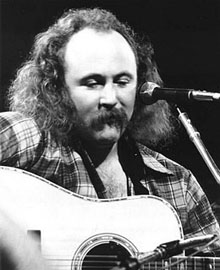 If I Could Only Remember My Name
(Atlantic, 1971) è il toccante testamento musicale di un’intera
generazione, non ancora pronta a lasciar tramontare il sole lisergico
della costa ovest. Più che un disco, il talento cristallino di Crosby
registra un’anima, un concetto ampio di libertà free-form e
utopia in musica.
If I Could Only Remember My Name
(Atlantic, 1971) è il toccante testamento musicale di un’intera
generazione, non ancora pronta a lasciar tramontare il sole lisergico
della costa ovest. Più che un disco, il talento cristallino di Crosby
registra un’anima, un concetto ampio di libertà free-form e
utopia in musica.
“Music Is Love” non è soltanto un motto, ma un mantra orientaleggiante
di folk psichedelico, impreziosito dalla voce melodica di Nash e dagli
accordi di Neil Young. L’hippie baffuto ha bisogno proprio di “un
piccolo aiuto dai suoi amici” per costruire la sua visione del mondo,
graffiante come nei singhiozzi acidi della jam soul-blues
“Cowboy Movie”, guidata dalla chitarra psichica di Jerry Garcia e dal
basso di Phil Lesh.
E’ il sogno di “pace e amore” che si insinua nei solchi di “Tamalpais
High (At About 3)”, ballata sussurrata dal chitarrismo perfetto di
Jorma Kaukonen, o della leggiadria lisergica di “Laughing”,
accompagnata dal sottofondo vocale di Joni Mitchell. La psichedelia
troneggia nel capolavoro “What Are Their Names”, strano essere fuggito
dai lidi mentali di “Aoxomoxoa” e riportato indietro dalle corde di
Young e Garcia e dai bisbigli di
Grace Slick.
Crosby riesce a gestire qualcosa che, forse, è più grande di lui, un
unico mantra folk che assume le forme più disparate, come sotto effetto
di droghe. “Traction In The Rain” recita in un sogno per chitarra e
arpa; “Song With No Words (Tree With No Leaves)” rivisita la vecchia
“Guinnevere” con lo sfondo
jazzy di Michael Shrieve e Gregg Rolie. Prima di un finale
improvviso, ermetico nella sua durata dopo tanto delirio strumentale.
Crosby è da solo a cantare il gospel a cappella del traditional
“Orleans”, perché deve essere soltanto lui a celebrare il rito di un
sole che non può ancora tramontare. L’ascesa è nella sua voce in “I’d
Swear There Was Somebody Here” che accompagna l’utopia generazionale
nel massimo raccoglimento spirituale, verso lidi che non appartengono
più a questa terra.
Incentivato dal successo del singolo “Love The One You’re With”,
Stephen Stills torna in studio per registrare il successore del suo
omonimo album di debutto.
Stephen Stills 2 (Atlantic, 1971) espande
l’esperienza sonora del primo capitolo, inaugurando un acceso festival
della chitarra rock.
Nuovamente insieme a Eric Clapton e al giovane talento di Nils Lofgren
– già in “After A Gold Rush”
di Neil Young – Stills può dare libero sfogo alla sua verve
strumentale, anche a costo di sacrificare parte del suo messaggio.
Un’abilità indubbia che respira nel folk-blues di “Word Game” o nello
stornello country di “Know You Got To Run”, prima di ascendere sul
chitarrismo intenso di “Fishes And Scorpions”.
Il disco salta con disinvoltura da un genere all’altro, mantenendo
intatta una certa coerenza di fondo, come nel passaggio dal
blues’n’roll indiavolato di “Relaxing Town” all’intimismo acustico di
“Singin’ Call”. Nel profondo, Stills è l’anima più rock del terzetto
iniziale e, da solo, è abbastanza ovvio che lasci andare a briglia
sciolta le sue attitudini.
“Nothin To Do But Today” vira verso il funky-blues, mentre “Marianne”
coglie un gusto pacchiano nel fare rock and roll. Eppure, c’è un lato
morbido anche in Stephen Stills. L’ariosità del pop-folk di “Change
Partners” potrebbe bissare il successo melodico di “Love The One You’re
With”, mentre “Sugar Babe” e “Open Secret” sono ballate liturgiche tra
tastiere – con Billy Preston – e fiati. Affascinante, poi, il finale
orchestrale di “Bluebird Revisited”, sarabanda tra pop, chitarre e
inflessioni latine che sembra anticipare come un prossimo corso
artistico.
Nulla a che vedere con il visionario mondo lisergico di David Crosby,
ma
Stephen Stills 2 è un disco onesto e sincero da
parte di un musicista dedito alla causa del blues e del rock.
Infine, tocca a Nash. Il talento melodico del quartetto è, ormai,
sempre meno legato al primigenio beat del Mersey. Le sue
ceneri viventi sono sparse sulla costa ovest, madre di tutti i
menestrelli incazzati del momento. Ed è proprio con questo spirito che
Nash “l’americano” affronta il suo debutto nella società del rock
californiano, benedetto sul sentiero da sua maestà Jerry Garcia.
Songs For Beginners (Atlantic, 1971), tuttavia,
non riesce a inseguire le visioni psichedeliche dell’amico Crosby,
limitandosi a un lavoro preciso di artigianato pop. Nash ha,
certamente, qualcosa da dire e la sua verve da cantastorie del folk
morbido emerge anche in maniera prepotente, come nelle due perle
“Military Madness” (con Dave Mason e Rita Coolidge) e “Chicago”, protest-song
già valorizzata nell’epico Four Way Street. La
parabola musicale arriva al suo climax, discendendo, poi, su soffici
arrangiamenti acustici – la magia di “Wounded Bird” – e giravolte
agrodolci come “I Used To Be A King”.
Il disco ha buone intuizioni, ma senza fare il salto di qualità. Young
mette il suo piano nel lieder country “Better Days”; Bobby
Keys il sax nella ballata spirituale “There’s Only One”. Viene comunque
fuori un cantautore sincero, umile nel suo dichiararsi “principiante”,
ma incoraggiante in certe delicatezze come “Simple Man”, ninna nanna
per violoncello e fiddle. Forse l’unico ad aver bisogno del
gruppo per essere grande.
Così lontani
All’inizio
del 1971, David Crosby e Graham Nash suonano, per la prima volta
insieme come duo, a un concerto benefico organizzato dall’attrice Jane
Fonda. Ci prendono gusto e, qualche mese più tardi, tornano in studio
per registrare un pezzo di Joni Mitchell, “Urge For Going”. Mentre
Stephen Stills furoreggia dal vivo con la sua band, Crosby e Nash
decidono di lavorare a braccetto, dando alle stampe il loro efficace
album di debutto.
Meglio noto come “Black Album” per via della copertina senza titolo,
Graham Nash & DavidCrosby (Atlantic, 1972) è un
disco di mestiere, onesto e appassionato. L’hippy baffuto
tiene i soliti Grateful Dead, ma abbandona le sue visionarie derive
lisergiche in favore di una tradizione acustica morbida quanto
vibrante. Ne viene, così, fuori una fusione liquida con il talento
melodico di Nash, lucido nel creare certi scintillii pop come
“Immigration Man”. Senza la verve elettrica della coppia Stills-Young,
i due viaggiano su sentieri più canonici, legati maggiormente alla
tradizione rurale americana.
“Southbound Train” è, così, un classicissimo country-folk con tanto di
armonica
dylaniana,
mentre “Frozen Smiles” recita la sua filastrocca orecchiabile. Crosby
lascia in soffitta la chitarra psichedelica del suo primo album
solista, abbracciando l’intimismo di “Games” e il formato ballata soul
di “Whole Cloth” e “Page 43”.
Nash, da par suo, non si vergogna delle sue origini d’Albione, tornando
ai
Beatles nei
classicismi di “Strangers Room”. Certo, dimezzati così Crosby e Nash
faticano a trovare il bandolo perduto dell’epica generazionale, ma
riescono comunque a confezionare un disco sincero, suggellato da “Where
Will I Be”, barocchismo minimale per gemiti liturgici. Buono sì, ma
così lontano dai fasti del vecchio supergruppo.
Dopo la pubblicazione del “Black Album”, il neonato duo inizia un tour
prettamente acustico tra Stati Uniti ed Europa, impreziosito in qualche
data dalla presenza degli stessi Stills e Young.
Stephen Stills, intanto, chiacchiera in studio con Chris Hillman
(ex-Byrds) a proposito di un nuovo progetto musicale. Hillman non è
molto contento della sua esperienza con i Flying Burrito Brothers e,
soprattutto, si fida dell’idea di Stills: fondare – con Al Perkins,
Dallas Taylor e Calvin Samuels – i Manassas.
Con Manassas (Atlantic, 1972), Stills scrive
una piccola enciclopedia della musica popolare americana, allargando il
suo gioco sulle fasce della tradizione sonica. Il doppio Lp vive in
quattro ambienti differenti, scorrendo con estrema naturalezza tra
generi differenti quanto affini per complicità e capacità di fusione.
Il caldo R&B di “Song Of Love” introduce "The Raven", scoppiettante
miscuglio di elettricità rock e ritmi latini, shakerato dalla
nuova band allargata. E’ un piccolo festival del blues più sinuoso
(“Jet Set”), rinvigorito dalle percussioni à-la Santana del medley
“Rock’n’roll Crazies/ Cuban Bluegrass” e dal riff negroide di
“Anyway”.
"The Wilderness" celebra, invece, le radici più rurali, descritte in
modo particolare da festosi bluegrass di campagna, come
“Fallen Eagle” e “Hide It So Deep”. Stills dipinge delicati
romanticismi country (“Jesus Gave Love Away For Free” e “Don’t Look At
My Shadow”), superandosi con il folk melodico di “Colorado”. Arriva,
infatti, il momento di ricordarsi dei suoi “vecchi” amici di Woodstock.
"In Consider", “Johnny’s Garden” e “Move Around” ritrovano aperture weastcostiane,
in nome di un filone folk di sicuro impatto. Un folk intriso ora di
rock (“It Doesn’t Matter”), ora di blues orientaleggiante (“Bound To
Fall”) per dimostrare la bontà di un progetto eclettico e aperto a
qualsiasi intuizione.
Il funky-blues di “The Love Gangster” fa strada, infine, a "Rock And
Roll Is Here To Stay", ultima parte del disco incentrata sulle svisate
blues di “Right Now”. Con Hillman, Perkins e Samuels, Stills può
sfogare il suo bisogno strumentale, guidando il boogie per piano di
“The Treasure” e il robusto country&blues di “What To Do”. Fino
alla solitudine di “Blues Man”, cartolina acustica di treni merci e
diavoli ai crocevia.
Manassas sarà anche un disco prolisso e
“pignolo”, ma respira musica a pieni polmoni e accerta definitivamente
il talento creativo di un bluesman d’altri tempi.
I Manassas vanno in tour in Europa, ottenendo un immediato successo, ma
l’avventura finisce presto quando Hillman sigla la resa dopo la
pubblicazione del secondo disco.
Down The Road (Atlantic, 1973) è un album
sicuramente meno magniloquente, condensa breve di quanto già espresso
su
Manassas. Le inflessioni latine di “Pensamento”, infatti,
tradiscono lo stesso eclettismo, meno vibrante perché perso tra brani
che sembrano scarti del precedente, copioso materiale. Stills pare
ancora convinto nel guidare il boogie
rollingstoniano di
“Lies” o scatenati R&B come “Business On The Street” (con link agli
Small Faces) e la
slide
zeppeliniana
di “Isn’t It About Time”.
Il disco è, tuttavia, soltanto un surrogato dell’alchimia di debutto,
sacrificata in nome di una sorta di compilation di brani
minori, messi insieme senza particolare criterio. Il folk-blues della title
track con il bluegrass di “Do You Remember The Americans?”. La
piccola enciclopedia, questa volta, rimane intrappolata nelle maglie di
genere, tra un country romantico (“So Many Times”) e percussioni da
festival (“Guacanco De Vero”). E Stills dovrebbe anche farsi perdonare
una rilettura un po’ troppo fedele di “Let’s Spend The Night Together”
con “City Junkies”.
Un’avventura, quindi, promettente quanto effimera, che non riesce a
consolidare una direzione sonora ben progettata almeno nei suoi intenti.
Vecchi ricordi, nuove liti
Nella primavera del 1973, inaspettatamente,
Crosby, Stills, Nash e Young si ritrovano a Maui, Hawaii per parlare di
un nuovo album insieme.
Le prove iniziano a giugno al Broken Arrow Ranch di Young, ma qualcosa
sconvolge l’atmosfera creativa: Bruce Berry, roadie di Young
e poi dei Manassas, muore a causa di un’overdose. I quattro decidono,
così, di fermarsi con le registrazioni, ma la rimpatriata porta
comunque i suoi frutti perché c’è l’accordo per una serie di spettacoli
previsti per l’anno successivo.
All’inizio del 1974, Graham Nash riavvia il valzer dei dischi solisti
con
Wild Tales (Atlantic, 1974), registrato in piccola
parte con i vecchi compari (Neil Young è ancora ospite al piano con lo
pseudonimo di Joe Yankee). L’album, tuttavia, è privo di pezzi forti
come “Military Madness” e “Chicago” e, inevitabilmente, scivola via
senza troppe pretese.
Il talento timido di Nash non ama strafare, dedicandosi ad un lavoro da
“taglio e cucito” con un country bagnato di folk (“Hey You (Looking At
The Moon)” e “You’ll Never Be The Same”) e pop beatlesiano
(“On The Line”).
Non gira da queste parti, ovviamente, il furore elettrico di Stills o
la poesia psichedelica di Crosby. Ci prova solo il blues orecchiabile
di “Grave Concern” ad accelerare il ritmo.
Per il resto, Nash ritorna al formato chitarra acustica-armonica a
bocca, strimpellando il primo
Dylan in “Oh! Camil
(The Winter Soldier)” e l’amico Young nelle atmosfere di “And So It
Goes”. Meglio, allora, quando a dare una mano arrivano quei tre, come
nel valzer per tastiere di “Prison Song”. L’inglese, tuttavia, non è
ancora da buttare e il lieder pop per piano di “I Miss You”
riesce a strappare un piccolo brivido.
Con Crosby fermo, la sensazione è che la penna si stia inaridendo.
I mesi passano e Stills decide di andare in tour con la sua band,
mentre Crosby e Nash si dividono per un po’ dopo la fine di un giro
americano come duo. Fino all’estate del 1974.
Il 9 luglio, a Seattle, ha inizio un clamoroso reunion tour –
battezzato da Crosby come “Doom Tour” – che si protrae per tre mesi in
grandi stadi americani, fino all’unica data europea a Wembley, il 14
settembre, in una maratona rock con
Joni Mitchell e
The Band.
I quattro si ritrovano così, attese star del palcoscenico, a proporre
dal vivo vecchi successi e nuovi brani (Young fa da mattatore con il
suo nuovo album “On The Beach”) per una serie di concerti che vengono
accolti in maniera entusiastica dalla stampa e dal pubblico.
Lo show finale di Londra viene anche filmato dalla Bbc, ma CSN&Y
decidono di abbandonare il progetto, non soddisfatti della performance
vocale della serata.
I fan devono, così, accontentarsi della prima antologia ufficiale del
gruppo,
So Far (Atlantic, 1974), che sale in classifica
grazie alla presenza delle versioni studio di “Ohio” e “Find The Cost
Of Freedom”.
Alla fine del 1974, i quattro si ritrovano ai Record Plant Studios con
l’intento di riaprire il capitolo “album perduto”, ma in particolare
Stills e Nash fanno affiorare tutti i vecchi screzi, alimentati ora da ego
musicali ingranditi, problemi con le droghe e rivalità da palcoscenico.
Il progetto salta, quindi, per aria, separando nuovamente le strade
all’interno del supergruppo.
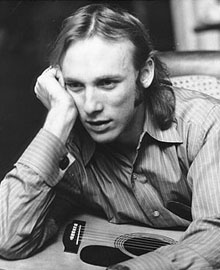 Nel giugno del 1975,
Stephen Stills torna a un’attività solitaria molto attiva dopo la
parentesi Manassas.
Nel giugno del 1975,
Stephen Stills torna a un’attività solitaria molto attiva dopo la
parentesi Manassas.
In Stills (Cbs, 1975), il virtuoso della
chitarra non riesce a replicare i primi fasti della sua band,
limitandosi a un pilotaggio automatico in chiave blues. L’esperienza
dei Manassas, certo, è ancora troppo vicina per essere completamente
dimenticata. L’eclettismo del loro primo disco riecheggia nel blues
latineggiante di “Turn Back The Pages” o nel boogie cubano di “In The
Way”. Il resto, tuttavia, non arriva a graffiare, posandosi comodamente
sul country-rock di “My Favorite Changes” e su certi esperimenti di
jazz da piano bar come “My Angel”.
Stills pecca in un eccessiva prolificità che
scade in avviluppamenti melodici mosci (“Love Story”) e giri di valzer
(“To Mama From Christopher And The Old Man”). Rimane, allora, la solita
sapienza strumentale che corre sul wah-wah di “Cold Cold
World” e sul funky di “Shuffle Just As Bad”. “As I Come Of Age” è,
invece, una ballata piatta, mentre “Myth Of Sisyphus” svicola
malinconica nel suo soul adulto.
Decisamente troppo poco per un talento come quello di Stephen Stills.
Passa appena qualche mese ed esce Stephen Stills Live
(Atlantic, 1975), registrato in presa diretta nel marzo del 1974
all’Auditorium Theatre di Chicago.
Sulla scia della collettiva immensità di Four Way Street,
l’album fotografa la doppia anima del bluesman, a cominciare
dalla verve elettrica dell’ormai classica “Wooden Ships”. Stills mette
in scena il suo talento con lo strumento, sparando il riff
rock ‘n’ blues di “Jet Set” in medley con l’aggressiva “Rocky
Mountain Way”. Nessun incendio
à-la Hendrix, ovviamente, ma un solido vibrare (“Special Care”)
oltre che una certa passione per il gospel-soul come nell’organo di
“Four Days Gone”.
Più emozionante la seconda pelle del chitarrista, memore delle vecchie
amicizie acustiche. Si inizia, così, con l’orecchiabile “Change
Partners” per proseguire con una serie curiosa di cover, dal medley
blues di “Crossroads/You Can’t Catch Me” all’inno di Fred Niel
“Everybody’s Talking At Me”.
Stills punta sul sound sicuro di “4+20” e, alla fine, riesce
nel suo intento: far brillare sul palco un pugno di belle canzoni, con
eleganza e sapienza tecnica.
Non ancora pago, l’ex-Buffalo Springfield decide di dare alle stampe
Illegal Stills (Cbs, 1976) che, tuttavia, si rivela
un altro buco nell’acqua.
Stills appare in evidente confusione, sospeso tra vecchi ricordi sonici
e tentazioni nuove. Ne viene fuori un disco altrettanto confuso – se
non scialbo – che non riesce a salvarsi nemmeno con il solito talento
strumentale.
La lezione è, alla fine, sempre quella dei Manassas, in bilico tra
sfumature boogie-rock e inflessioni latine, come in “Soldier” e nella
romantica “Midnight In Paris”. Ricordi, però, troppo ingombranti che
finiscono per scadere nella mediocrità dei passi di salsa di “No Me
Niegas”.
Stills recupera terreno solo virando verso “casa”, tornando al tanto
caro country-blues acustico di “Stateline Blues” o al riff
della cover di “The Loner”. E basta così perché poi il disco si scatena
su ritmi funky-soul poco convincenti (“Buyin’ Time” e “Closer To You”)
prima di affondare su un certo pop melenso (“Ring Of Love”).
Una cosa è certa: Stills farebbe meglio a tenere a freno la prolificità
per ragionare di più sulla sua musica.
Crosby e Nash, nel frattempo, trovano ispirazione per un nuovo disco
come duo, affiancati dai The Mighty Jitters (già The Section nel "Black
Album" con Russell Kunkel, Craig Doerge, David Lindley e Tim Drummond).
Wind On The Water (Abc, 1975) è il risultato
finale dell’incontro tra due musicisti ormai maturi, meno infiammati e
più posati nei modi. David Crosby è lontano dalle spiagge assolate
della psichedelia della mente: la tenerezza per piano di “Bittersweet”
o gli andamenti soul di “Low Down Payment” sembrano lontani anni luce
dallo “shining” sonoro di If I Could Only Remember My Name.
Nash, da par suo, prosegue coerentemente con la direzione intrapresa da
solista, tra il martellamento melodico di “Love Work Out” e il
country-pop di “Cowboy Of Dreams”.
Esce allo scoperto un disco molto “middle class”, con buoni spunti, ma
anche alcuni momenti di apprezzabile noia. “Naked In The Rain” bissa
l’intimismo folk, mentre “Homeward Through The Haze” è un altro bel
lavoro fatto a mano dagli artigiani del pop. Si fatica, cioè, a pensare
che siano gli stessi eroi di “Wooden Ships” o “Almost Cut My Hair”.
L’amore per la musica, tuttavia, è sempre vivo. “Carry Me” torna sul
selciato delle armonie vocali incastrate, quasi recitate nella
cadenzata “Mama Lion”. Interessante, poi, lo spirito da giga funky di
“Take The Money And Run”, ma, soprattutto, il finale di “Last Whale”,
dove l’intro gregoriano porta per mano una cristallina ballata
folk medievale.
Maturità significa esperienza autoriale, certo, ma da David Crosby e
Graham Nash si deve aspettare di più.
Mentre Crosby e Nash consolidano un feeling come duo, all’inizio del
1976 i vecchi compari Stephen Stills e Neil Young decidono di mettere
in piedi un progetto simile. Il cowboy canadese sta per partire in tour
con i Crazy Horse, ma prima vola in segreto a Miami per lavorare,
appunto, con la band di Stills e il produttore Tom Dowd.
Attribuito alla Stills-Young Band, Long May You Run
(Reprise Records, 1976) sfoga, al contrario di Wind On The
Water, la solita verve elettrica dei due, che sembrano
mettere, almeno per un istante, da parte i rispetti ego per un disco
compatto e ben amalgamato.
Young, tuttavia, è molto più ispirato dell’amico e firma, quasi in
maniera ovvia, i brani più cristallini del disco. Ecco, così, la
morbida cavalcata country della title track, bilanciata dal
romanticismo notturno di “Midnight On The Bay”, tra percussioni latine
e fraseggi d’armonica.
Stills, da par suo, cerca di rivitalizzare il sound
“bandistico” dei Manassas con “Black Coral”, azzardando anche con la
serpentina organo/chitarre di “Make Love To You”. La vicinanza del
vecchio amico crea, così, i suoi frutti che, tuttavia, non vanno oltre
l’elettricità sinuosa di “12/8 Blues (All The Same)” e certe atmosfere
jazzate come quella di “Guardian Angel”.
Pare, infatti, che la vena creativa di Stills sia in qualche modo
ingabbiata in un certo formalismo tecnico, mentre lo spirito inquieto
di Young riesce a brillare anche in episodi minori come questi. Come
nel luccicare melodico di “Ocean Girl” o nel blues spruzzato di gospel
di “Let It Shine”. E’ lui, forse, il vero deus ex-machina di
tutto quanto, talento inarrivabile che, almeno in questo periodo,
trasforma in oro tutto quello che tocca.
Agli altri tre moschettieri, per ora, tocca la sopravvivenza nel
ricordo di un tempo che fu.
Come in un improvviso botta e risposta tra una band, ormai, spaccata in
due, arriva nei negozi il terzo album ufficiale di David Crosby e
Graham Nash. Ancora suonato con i fidi e rodati Mighty Jitters, Whistling
Down The Wire (Abc, 1976) esaspera i toni languidi e posati
di Wind On The Water, scadendo, per la prima
volta, in una vera e propria banalità d’ispirazione.
“Broken Bird” e “Time After Time”, ad esempio, sono ballate più che
standard, appiattite da arrangiamenti da “sessantenni in poltrona”.
Nash tenta di conferire un po’ di brio al tutto e quasi ci riesce nel
breve boogie melodico di “Spotlight”, ma il resto del disco si tradisce
minuto dopo minuto, rivelando una scarsa intuizione al di là della
sapienza formale.
Crosby sale in cattedra con la pantomima affascinante di “Dancer”, ma
scivola subito sulla buccia appiccicosa di zucchero del soul di
“Foolish Man”. Sono cioè, romanticismi abbastanza di maniera, come in
“Marguerita”, brillanti solo nel momento in cui il disco abbraccia il
più classico stilema della ballata country (“Taken At All”).
Per il resto, un album esangue, che non riesce a trasformare un senso
maturo della canzone folk in qualcosa di attuale e vibrante. Non basta,
cioè, un funky-blues all’ammorbidente come “Mutiny” o l’emozionante
tenerezza armonica di “Out Of The Darkness”.
Tagliati i capelli ribelli, Crosby e Nash sembrano aver perso la forza
di gridare anche con un sussurro.
La situazione tra i quattro si complica. Attraverso le pagine della
rivista specializzata “Crawdaddy”, Stills e Young – forti di
un’imminente tournée insieme – dichiarano di non aver più
intenzione di lavorare con i due vecchi compagni di band. Crosby e Nash
si sentono feriti, traditi, forse anche un po’ consapevoli del
materiale non eccelso recentemente pubblicato come duo.
Stephen Stills, tuttavia, ha poco da ridere. Dopo diciotto date del
giro di
Long May You Run, Neil Young abbandona l’amico,
costringendolo ad annullare le tappe successive. Danno oltre la beffa,
tornando a casa dopo gli show scopre che sua moglie Veronique Sanson,
cantante francese, ha già avviato le pratiche per ottenere il divorzio.
Pace e amore al Teatro Greco
Autunno 1976. Al Greek Theatre di Los Angeles,
durante un concerto di beneficenza, Crosby, Stills e Nash tornano a
calpestare insieme il palcoscenico. Tra i tre, scoppia la pace. Stephen
vive un momento di profonda depressione dopo la disfatta con la moglie,
con Neil Young, con i suoi ultimi dischi da solista. I vecchi amici
sono importanti proprio nel momento del bisogno più insistente.
A dicembre, insieme ai produttori Ron e Howie Albert, iniziano le prove
per quello che dovrà essere il secondo album ufficiale della primigenia
ditta CSN. Il 2 giugno del 1977, nell’estate del punk, il trio debutta
a Clarkston, Minnesota per la sua prima tournée senza il
“cowboy solitario”. Con loro, Joe Vitale alla batteria, George Perry al
basso, Craig Doerge al pianoforte.
1977. Mentre la guerriglia bianca dei
Clash incendia
i vicoli di Londra, tre amici ritrovati sorseggiano musica in mezzo
all’oceano, tra sorrisi e gorgheggi vocali. Definito dai più “il disco
della barca”,
CSN (Atlantic, 1977) è l’intima rimembranza di un
tempo che fu. Non per forza un ricordo polveroso: “Shadow Captain” si
bea sulle sognanti note di pianoforte, su quelle ugole perfettamente
intrecciate. Certo, un disco che, alle spalle, ha più di un’ombra, ma
capace di emozionare al di là del tempo, solo per il gusto di ascoltare
canzoni fatte a mano, ad arte. Come la ballata armonica di “Carried
Away”, frutto della penna di un Graham Nash forse mai così ispirato.
Pare proprio, infatti, che una semplice sigla da agenzia immobiliare
sia portatrice di una magia alchemica irraggiungibile se imboccata da
strade solitarie.
E’, quindi, all’incrocio che si ritrova un’inventiva perduta. Come
nello straordinario crescendo acustico di “In My Dreams”. L’unione fa
la forza. Crosby torna ai suoi silenzi in musica, come nel jazzato di
“Anything At All”; Stills – quasi risorto – al folk acustico di “See
The Changes” e, soprattutto, ai delicati latinismi di “Fair Game”.
Inaspettato mattatore, Nash compone il brano più intenso di tutto il
disco o, almeno, quello che ricorda al mondo che le canzoni di CSN sono
dure invettive nei confronti di una società ingiusta e malata. Sulle
splendide architetture gotiche di “Cathedral”. O anche quando si siede
al piano per “Cold Rain”, cartolina ricordo di una liturgica Manchester.
CSN è un disco più curato negli arrangiamenti
che nei testi, sacrificati ai cambi calienti di “Dark Star” e
all’orecchiabilità di “Just A Song Before I Go”. E’, forse, colpa di
Stills che fa vibrare il rock di “Run From Tears” prima di convocare
l’orchestra di “I Give You Give Blind”.
Nulla, insomma, a che vedere con i solipsismi melensi della coppia
Crosby & Nash o con la prolificità mediocre di Stills. Gli stessi
musicisti che, insieme, riescono a cambiare e, amalgamandosi, a creare
qualcosa di bello per il mondo della musica.
Per cavalcare meglio l’onda della reunion, viene
immediatamente pubblicato un disco dal vivo del duo C&N, registrato
durante i tour del 1975 e 1976. Semplicemente intitolato Live
(Abc, 1977), l’album ripropone sul palco le zuccherosità dei due,
colate principalmente dai loro primi tre dischi. “Foolish Man”, “Mama
Lion” e “Page 43“, per fortuna, indossano una veste più rock che le
rende più gradevoli rispetto alle versioni originali in studio. Si
sente, tuttavia, un certo sfilacciamento, dovuto certamente alla
mancanza dei due cavalieri del rock, Stills e Young. I due chitarristi,
accompagnati dai soliti Mighty Jitters, si difendono sugli scudi,
aprendo con la verve di “Immigration Man” e chiudendo con l’unghiata di
“Déjà Vu”.
E’ il potere della gloria che aiuta gli audaci e i vagabondi
cantastorie.
Galvanizzati dal consenso generale su CSN, i tre decidono di continuare
e, a fine novembre, si ritrovano in studio a Los Angeles sempre con Ron
e Howie Albert. I lavori si protraggono fino all’aprile del 1978,
quando Stills decide di interromperli per lavorare al suo prossimo
disco solista.
Forse eccessivamente convinto della sua prolificità, Thoroughfare
Gap (Cbs, 1978) è un altro passo incerto del chitarrista
texano. I produttori sono gli stessi del brillante CSN,
ma evidente è la mancanza dei due amici ritrovati che si trasforma in
breve in una mancanza di direzione, tra strampalati esperimenti disco-funk,
come “You Can’t Dance Alone” e “What’s The Game”. Stills, appunto, pare
paralizzato nel “ballare da solo”, costretto a ripetere vecchi stilemi,
tipo le percussioni latine di “We Will Go On” e l’elettricità cubana di
“Woman Lleva”.
Un disco sciapito che non esalta il tribalismo della cover di “Not Fade
Away” e, soprattutto, il tanto maneggiato blues della versione di
“Midnight Rider”. Meglio, forse, il blues-soul posato di “Lowdown” o
quello mellifluo di “Beaucop Yumbo”, sempre che si ammetta di ascoltare
musica fatta giusto per intrattenere l’ascoltatore mentre fa
qualcos’altro. Perché parrebbe impossibile emozionarsi con la melodia
della title track. Basta, allora, muoversi un po’ sulla
slide vibrante di “Can’t Get No Booty”. Eppure sembra
impossibile che sia lo stesso musicista dell’ultimo album del rinato
trio delle meraviglie folk.
A luglio, CS&N danno il via a un breve tour estivo che riscuote un
ottimo successo di pubblico.
I tre provano subito a riprendere la strada discografica, ma in
direzioni troppo divergenti. Crosby e Nash tentano un nuovo progetto
come duo, ma il primo è in condizioni psico-fisiche degenerate a causa
di un massiccio uso di droga. Non se la passa meglio Stills, che è
piuttosto scoraggiato dopo le sue ultime, scialbe prove da solista.
La magia sembra, quindi, ancora una volta spezzata quando, nel
settembre 1979, i tre risalgono sul palco del Madison Square Garden di
New York per partecipare alla causa della fondazione Musicians United
For Safe Energy, promossa da
Jackson Browne e
dallo stesso Graham Nash.
Al “No Nukes: The Muse Concert For A Non-Nuclear Future” partecipano,
tra gli altri,
Bruce Springsteen
e James Taylor, ma, soprattutto CSN che suonano pezzi ormai leggendari
come “Teach Your Children”, “Long Time Gone” e “You Don’t Have To Cry”.
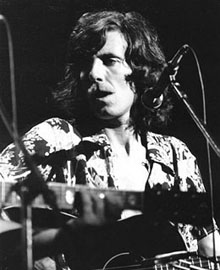 Visibilmente
soddisfatto, Nash decide di tornare in studio alla fine dell’anno per
realizzare il suo terzo album da solista.
Visibilmente
soddisfatto, Nash decide di tornare in studio alla fine dell’anno per
realizzare il suo terzo album da solista.
Earth & Sky (Capitol, 1980) prosegue, sulla
scia di "No Nukes", con un forte spirito ecologista, imbevuto di
morbidi arrangiamenti orchestrali. Nash predilige strade a metà tra il
gospel e il soul – esemplari “Skychild” e “It’s All Right” –
dimostrando di essere sicuramente più ispirato del confuso Stills e del
caduto Crosby. Brani come “Barrel Of Pain” e “In the 80’s” provano
addirittura a mordere con boogie irrequieti.
Il disco, tuttavia, non riesce ad andare al di là di un modesto
languore ambientalista, alimentato dal pop bolso della title track
e da certe liturgie melodiche come “T.V. Guide” e “Magical Child”.
Insomma, ricordi sbiaditi anche per l’inglese che si concede un déjà
vu con il folk weastcoastiano di “Out On The Island”.
Il pubblico non sembra gradire. La Cbs rescinde subito dopo il
contratto con l’ex-Hollies.
L’alleanza alla luce del giorno
Alla fine del 1979, David Crosby torna in studio per iniziare a
lavorare sul suo secondo disco da solista. Le prove si protraggono per
quasi un anno, ma l’ex-Byrds è in uno stato fisico pietoso a causa
della droga. Il materiale pare anche buono, ma la Capitol rifiuta il
disco, facendo sprofondare ulteriormente il chitarrista.
E’ un momento difficile per i tre, che osservano le loro vene creative
inaridirsi progressivamente, limitandosi a calpestare i palchi
d’America con brani ormai diventati classici senza tempo.
Nell’ottobre del 1980, Stills e Nash decidono di dare vita a un primo
progetto come duo, ma i nuovi nastri non piacciono alla Atlantic perché
considerati inutili senza la presenza di Crosby.
Ecco, allora, che il baffo cerca di risollevarsi, recandosi ai Rudy
Records per dare una mano ai suoi vecchi amici.
Daylight Again (Atlantic, 1982) è il disco che
tenta di risollevare le sorti alterne del blasonato terzetto,
affidandosi a un modo sicuro e tradizionale di fare canzoni. Già a
partire dal morbido riff di “Turn Your Back On Love” si
ascolta una genuina piacevolezza compositiva, accasata nel nido caldo
delle armonie vocali. Nash mette sul davanzale bollenti melodie pop,
come col violino di “Wasted On The Way” o la struttura robusta di “Into
The Darkness”. E Stills non pare farsi troppo pregare, sfidando il
compare sulla gara del ritornello soul di “Southern Cross”.
Il chitarrista texano, tuttavia, soffre le sue recenti delusioni
discografiche, non riuscendo nella stessa impresa miracolosa di CSN.
Ecco, allora, tornare il blues più sciapito di “Since I Met You”,
accompagnato dal solito tribale elettrico di “Too Much Love To Hide”.
Il problema vero e proprio è che l’album non è un parto a tre, ma il
rimasuglio di un progetto di Nash e Stills con Crosby a dar man forte
per quanto possibile. Il baffo è in condizioni pietose e, infatti, ha
bisogno del bastone da rabdomante per trovare un’ispirazione degna di
nota. “Delta” è il suo commovente, ultimo sforzo al pianoforte.
Non è lo stesso autore di “Triad” ad emozionare, così, con la tenerezza
gospel-soul di “Might As Well Have A Good Time”. Meglio quando Nash
prova il pop barocco di “Song For Susan” o Stills rievoca il formato
ballata con “You Are Alive”. Eppure, si tratta soltanto di canzoni
oneste e poco più. Ci vuole, infatti, una perla pescata dal passato –
anno 1972 – per parlare di “fasti”: la
title track inizia con un evocativo folk scarnificato per poi
proseguire – tra un banjo e la voce di
Art Garfunkel
– con la classica “Find The Cost Of Freedom”.
La prova definitiva che CS&N appartengono a un passato ormai
sepolto?
L’album, tuttavia, ottiene un buon successo di pubblico e critica,
spingendo il trio a tornare in tour negli Stati Uniti. E’ il momento
buono per spingere CS&N ancora più in alto.
Diario sonoro degli ultimi due reunion tour del 1977 e del 1982,
Allies (Atlantic, 1983) è il primo album live
della ditta a tre CS&N. Gli spettacoli, tuttavia, sono distanti
anni luce dalle folgori elettro-acustiche di Four Way
Street con il trio ridotto in condizioni da sorpassata
leggenda vivente.
Il disco, cioè, non si può permettere il lusso di escludere qualsiasi
brano prima di CSN, limitandosi a mettere
insieme cover (dalla tenerezza di “Blackbird” all’unica vera emozione
della “He Played Real Good For Free” di Joni Mitchell, interpretata da
quello che rimane di un grande David Crosby) e mediocri brani inediti
come l’artificiale riff gusto
eighties di “War Games”.
Stills continua, così, a soffrire un’aridità creativa che viene qui
mitigata da una versione particolarmente brillante di “Dark Star”. Il live,
tuttavia, è soltanto un palliativo discografico, nella speranza di
rincorrere una fama che non può esserci più. I tempi cambiano e Crosby
lo sa benissimo, lasciando – devastato dalla droga – la guida al più
borghese Graham Nash, che macina melodie pop per la gioia delle radio
in auto. “Wasted On The Way” e “Barrel Of Pain” ne sono due esempi
efficiaci.
Non a caso la chiusura dell’Lp non è affidata – come tradizione
vorrebbe – all’epica di “Find The Cost Of Freedom”, ma all’inno “For
What It’s Worth”, che dimostra come questo sia un gruppo sfilacciato
che fatica a ritrovare il bandolo della propria ispirazione.
Dopo la pubblicazione di Allies, i tre partono
ancora in tour, questa volta in Europa. Il successo è assicurato, ma è
solo il preludio a una nuova divisione interna. Tra la fine del 1983 e
l’inizio del 1984, Nash ritrova gli Hollies per registrare un clamoroso
(e deludente) reunion album, mentre Crosby tenta ancora di incidere il
suo secondo lavoro solista.
Ci riesce, invece, Stephen Stills che firma l’ennesimo impegno
discografico.
Right By You (Atlantic, 1984) è la caduta più
rovinosa del chitarrista texano, che pare precipitare senza appigli in
un baratro di musica piatta e artificiale. Sin dai latinismi
sintetizzati di “50/50” si intuisce che la direzione “eighties” del
singolo “War Games” non era altro che avviso di un cambio di marcia.
Stills riempie un album totalmente inutile con una serie di numeri di
funk meccanico (“Stranger” “No Problem”), intervallati da ballate
noiose come “Love Again” e “Only Love Can Break Your Heart”, che arriva
quasi a bestemmiare contro Neil Young.
Un tracollo non mortale, tuttavia. Stills si salva soltanto quando
torna a vecchi stilemi, tra il blues and roll di “Flaming
Heart” e il
bluegrass d’annata di “No Hiding Place”.
Un disco superfluo, quindi, specchio di un momento difficilissimo per
uno dei consorzi musicali più affascinanti del secolo pop.
Stills è deluso dal suo nuovo album e, così, torna alla base per un
lungo tour con Crosby e Nash fino al dicembre 1984.
La vera sorpresa, tuttavia, arriva nel luglio 1985 quando i tre tornano
sul palco del Live Aid insieme a Neil Young per eseguire “Only Love Can
Break Your Heart” e “Daylight Again/Find The Cost Of Freedom”. Il
cowboy canadese arriva addirittura a promettere a David Crosby di
tornare in sella per un nuovo disco. A patto che quest’ultimo esca dal
tunnel della droga.
Crosby, invece, viene arrestato per possesso illegale di armi da fuoco
e condannato a scontare otto mesi. E’ l’ultima goccia per il
chitarrista dal viso simpatico e pacifico. Inizia così, per lui, un
processo lungo di disintossicazione che lo porterà a ritrovare la luce
in fondo al tunnel.
Nel frattempo Nash torna in studio da solo e, nel marzo 1986, pubblica
il suo quarto album.
Con Innocent Eyes (Atlantic, 1986), il
cantastorie di Blackpool rimane invischiato, al pari dell’amico Stephen
Stills, in una melassa al gusto eighties, dilagante già a
partire dal pop sintetizzato di “See You In Prague” e “Don’t Listen To
The Rumors”.
Il disco pare vanificare quanto di buono Nash ha fatto con la band, in
nome di una presunta orecchiabilità da classifica tra insipidi ritmi à-la
Phil Collins (“Keep
Away From Me” e “Over The Wall”). Apprezzabile è forse soltanto un
approccio eclettico al formato-canzone che, tuttavia, non riesce a
dispiegare le ali, tarpate dall’R&B blando della title track
e da “Newday”, sorta di scarto da una session dei
Police.
Tra una cartolina ricordo delle Hawaii (“Chippin Away”) e il funky
robotico di “I Got A Rock”, l’unica cosa che riesce a Graham Nash è
“Glass And Steel”, omaggio triste all’amico in difficoltà David Crosby.
Una particella piccolissima rispetto all’universo folk-pop che dovrebbe
rappresentare.
I fantastici (?) quattro
All’inizio del 1987, Crosby, Stills, Nash e
Young tornano insieme a calpestare il palcoscenico, precisamente a
Santa Barbara, California in occasione di due show di beneficenza per
Greenpeace.
Subito dopo i riusciti concerti, i primi tre si chiudono in studio, a
Los Angeles, per registrare un pugno di canzoni nuove di zecca. I
lavori, tuttavia, non vanno per il verso giusto e, così, il trio decide
di aspettare il rinforzo di Neil Young che, nel frattempo, è impegnato
con un nuovo tour europeo dei Crazy Horse. Sorgono anche ostici
problemi contrattuali, dato che l’etichetta di Neil – la Geffen – non
apprezza affatto la questione “nuovo disco di CSN&Y con
l’Atlantic”.
Elliott Roberts, manager di Young, risolve presto la situazione e così,
nel 1988, possono iniziare le session per il sospirato
disco-reunion. L’aria sembra piuttosto serena: Stills e Young trovano
un accordo di convivenza mentre Crosby appare in ottima forma dopo le
cure di disintossicazione.
CS&N tornano in tour negli Usa.
In estate, tuttavia, qualcosa inizia ad andare storto, tra vecchi
dissapori artistici e scalette differenti. Nonostante tutto, il 12
novembre CSN&Y si esibiscono a Los Angeles – durante il Children Of
America Concert – con uno spettacolo prettamente acustico.
Il pubblico rimane estasiato, ma più di un’ombra è appena dietro
l’angolo.
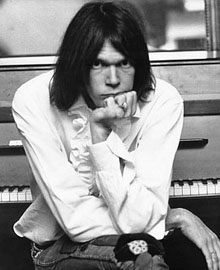 Primo album in studio
dai tempi dell’ormai mitico Dèjà vu,
American Dream (Atlantic, 1988) è, di fatto, il
ritorno in pompa magna dei quattro cavalieri del country-rock.
Primo album in studio
dai tempi dell’ormai mitico Dèjà vu,
American Dream (Atlantic, 1988) è, di fatto, il
ritorno in pompa magna dei quattro cavalieri del country-rock.
Ad abbellirsi in vetrina, ovviamente, Neil Young che, tuttavia, vive
una fase creativa in declino dopo il nuovo apice personale di “Rust Never Sleeps”
(1979). E’ lui che da il via alle ritrovate danze del supergruppo, ma
l’orecchiabile ritmo di basso della
title track non sembra affatto il preludio a un disco da
ricordare negli annali della musica popolare americana. L’uomo
solitario, infatti, vira subito verso la classica ballata di country
elettrico (“Name Of Love”), ma a non funzionare è proprio l’intesa con
Stills, che non riesce a inserirsi con i suoi assoli, perso nel magma
sintetizzato dei suoi ultimi dischi solisti (“Got It Made”).
Nash, da par suo, non ha remore a insistere sul piano liturgico di
“Don’t Say Goodbye” e, soprattutto, sull’ormai trita ballata ecologista
di “Clear Blue Skies”. Nota brillante, invece, il ritorno alla vita
(artistica) di David Crosby che, disintossicato appieno, getta il piede
sull’acceleratore con la grinta per tastiere di “Nighttime For The
Generals”. Il baffo dalla California sembra ricordarsi improvvisamente
del suo glorioso passato da songwriter, emozionando con il
folk esistenzialista di “Compass”, cartolina
westcoastiana firmata anche dall’armonica di Young. Lo stesso
canadese rende di più quando dipinge l’acquerello acustico di “Feel
Your Love” rispetto alla filastrocca corale di “This Old House”.
A soffrire più di tutti è sicuramente Stephen Stills che prova il riff
blues di “Drivin’ Thunder” prima di affondare tra i fiati soul di “That
Girl” e il rock sintetico di “Night Song”. Non basta, quindi, la solida
melodia contro la guerra di Nash (“Soldiers Of Peace”) per scrivere
ancora un grande album.
American Dream è una delusione generale, resa
più scottante dal carico di aspettative sulle spalle di un gruppo che
pare troppo sfilacciato per durare ancora nell’immaginario della gente.
Quando il disco arriva nei negozi, a novembre, ottiene subito un buon
successo di pubblico fino ad arrivare al disco di platino dopo appena
due mesi. La critica, tuttavia, è impietosa e spinge soprattutto Young
a rinunciare all’idea di un tour mondiale. Neil, in realtà, non si fida
poi tanto delle condizioni ritrovate di David Crosby che, per tutta
risposta, decide di concentrarsi sul serio per dare finalmente alla
luce il suo secondo, sospirato disco da solista.
Quasi a voler rispondere subito a tono ai dubbi di Young, il musicista
californiano porta, finalmente, alla luce il suo secondogenito. Oh
Yes I Can (A&M, 1989) è una vera e propria prova di
forza – artistica e personale – per annunciare al mondo del rock che il
mitico
If I Could Only Remember My Name ha finalmente il
suo erede.
Con “Drive My Car”, Crosby mette da parte le tentazioni sintetizzate e vira verso una grinta elettrica che non si sentiva dai famosi tempi d’oro. La droga si è sciolta dopo quasi vent’anni, facendo riaffiorare il talento di chi sa mischiare il blues e il soul come nel tribale di “Monkey And The Underdog”. Il disco tira fuori unghie inaspettate, tra il boogie di “Drop Down Mama” e le fini percussioni di “Flying Man”, per dimostrare che si può sempre risorgere dalle ceneri, farcela al di là di ogni ostacolo. Tornare alla vecchia acustica folk (“Tracks In The Dust”) e a ricordi di spiagge assolate come quelle di “Distances”. Crosby, evidentemente, gioca la carta facile dell’emozione, mostrando indirettamente a Stills come evitare la noia alla fine degli anni 80.
Guarda
caso, è proprio quando “il baffo” si avvicina al texano che arrivano i
primi sbadigli. I ritmi hawaiani di “Melody” e la ballata gospel di “In
The Wide Ruin” sono rimasugli di un tempo che fu, trasformati per il
gusto di un decennio troppo diverso.
Ma, con la band con un piede e mezzo nella fossa, un disco come Oh
Yes I Can sembra far bene sia alle orecchie che al cuore.
Se non altro per applaudire il ritorno di un musicista che non poteva
assolutamente scomparire così dalle scene.
Alla fine del 1989, Crosby si presenta su un palco speciale insieme a
Stills e Nash. Per festeggiare, a Berlino, l’abbattimento del muro, i
tre eseguono “Change Partners”, “Chippin’ Away” e, soprattutto, il
classico “Long Time Gone”.
Rinvigoriti, nel gennaio 1990 CS&N tornano in studio per dare
inizio ai lavori per il loro quinto album ufficiale, questa volta in
compagnia di alcuni nomi prestigiosi come quelli di Roger McGuinn,
Peter Frampton, Michael Landau e Branford Marsalis.
Presentato agli occhi da una copertina di dubbio gusto, Live
It Up (Atlantic, 1990) non riesce a sfruttare gli ospiti
illustri, cadendo in un fosso di arrangiamenti mediocri e anacronistici.
Mentre il mondo si prepara al vomito generazionale di “Nevermind” e alla
passione rivoluzionaria di “Ok Computer”,
CS&N sembrano ancora confusi sul da farsi, continuando a distillare
infusi di basso synth, tastiere e batterie elettroniche come nella title
track d’apertura.
Crosby, ormai riabilitato completamente, tentenna su banali levigatezze
soul (“Arrows” e “If Anybody Had A Heart”) mentre Stills non sembra
voler uscire dal suo stretto tunnel creativo. “Tomboy”, così, è solo
uno dei tanti spot commerciali in voga negli anni 80, mentre “(Got To
Keep) Open” è l’ennesimo latinismo da bordo piscina. E fa pensare il
fatto che nemmeno l’acustica retrò di “Haven’t We Lost Enough?” riesca
a dare un brivido d’emozione.
Nash, come al solito, tenta di salvare la baracca con la ballata
intimista di “House Of Broken Dreams” e, almeno in grinta, ci riesce
sul finale accorato di “After The Dolphin”. Eppure, il romanticismo
notturno per sax di “Yours And Mine” e il pop zuccheroso di “Straight
Line” ce la mettono tutta per rovinare la festa al disco che, alla
fine, risulta il più insipido e inutile della produzione del terzetto.
Quiete acustica dopo la tempesta
Live
It Up viene accolto piuttosto male dal pubblico e dalla
stampa di settore, ma CS&N non si perdono d’animo, tornando in tour
negli Stati Uniti quasi fino alla fine dell’anno. David Crosby,
infatti, cade con la sua moto e costringe i suoi compagni a cancellare
le ulteriori date in Giappone e Australia. Durante la pausa forzata del
“Southern Cross Tour”, Stephen Stills decide di riprovarci, lavorando a
un disco di sole canzoni acustiche.
Con Stills Alone (Gold Hill Vision Records,
1991), il musicista texano torna a una dimensione intima e solitaria,
abbandonando, di fatto, le orrende tentazioni easy-listening
di Right By You.
Gli stornelli country di “Isn’t It So” e “The Right Girl” ripercorrono
con onestà un passato che non c’è più, all’insegna di una verve
acustica preziosa. Innegabilmente, Stills non ha più inventiva e,
infatti, è costretto ad affidarsi a un nutrito gruppo di cover da falò
folk sulla spiaggia. La raffinatezza di “Everybody’s Talking At Me”
abbraccia, così, la tenerezza di “In My Life” per poi immergersi in un
country-blues piuttosto tradizionale come quello di “The Ballad Of
Hollis Brown”. La perizia strumentale, tuttavia, è quella di sempre,
dipinta da blues elettro-acustici (“Just Isn’t Like You”) e delicatezze
arpeggiate come “Singin’ Call”.
Il disco, alla fine, finisce pure col farsi ascoltare, tra il medley
di “Blind Fiddler” e la solitudine folk di “Treetop Flyer”. Ovviamente,
nulla di nuovo sotto il vecchio sole freak, ma, almeno,
Stills dimostra di essere ancora un gran musicista.
La vera sorpresa, tuttavia, arriva nell’ottobre del 1991 quando
l’Atlantic decide di svuotare i cassetti della memoria e pubblicare un
quadruplo disco che è un autentico monumento alla carriera di Crosby,
Stills e Nash.
CSN (Atlantic, 1991) è il definitivo marchio
del fuoco sulla leggendaria carriera del trio, autentico tatuaggio
indelebile sull’avambraccio della tradizione folk americana.
Oltre quattro ore di musica accompagnano l’ascoltatore in un viaggio,
che parte dai semi elettrici di “Suite: Judy Blue Eyes” (qui con la
batteria di Dallas Taylor) e arriva fino al blues intenso di “Dear
Mr.Fantasy”, cover dei
Traffic di
Steve Winwood. Un vagabondare sui treni merci del country-folk che
regala l’esperienza indimenticabile di rivivere più di vent’anni di
musica attraverso brani inediti e versioni alternative.
Come nella versione più ricca di “You Don’t Have To Cry” prodotta da
Paul Rothchild e nell’intimo capolavoro “Guinnevere” in versione
acetato del 1968 con Jack Casady al basso e Faryar al bouzouki. Neil
Young fa capolino qua e là, lasciando il suo inconfondibile segno
dolente: dal country elettrico di “Helplessy Hoping” alla migliore
versione elettro-acustica di “See The Changes”.
E’, tuttavia, il tempo di confermare, al di là dei mille problemi
personali negli anni, il talento cristallino di David Crosby che guida
la stratosferica rabbia soul-blues di “Almost Cut My Hair” (qui in
versione dal vivo in studio, con tanto di coda strumentale) prima di
incantare con la magia di folk medievale di “Song With No Words”. Non
si arrabbi l’acustica in coro di “Blackbird”. L’amico Nash, poi, non se
ne è mai stato in disparte a guardare: con Terry Reid firma “Horses
Through A Rainstorm”, gioiello pop per organo scartato da
Dèjà Vu perché troppo melodico. E poi il pop beatlesiano
di “Man In The Mirror”, il soul melodrammatico di “Homeward Through The
Haze”, la gemma acustica di “Taken At All”.
Un’orgia di generi frullati per uno stile divenuto unico. Uno dei
cofanetti antologici più importanti della storia per scelte, canzoni e
capacità di illustrare quanto di meglio ha fatto questo trio, con e
senza Neil Young.
A supporto del cofanetto, CS&N tornano in Europa per un giro lampo
di cinque concerti che tocca l’Italia con ben due date, a Milano e
Roma. Il tour (acustico) vero e proprio, tuttavia, inizia in estate
quando i tre si esibiscono negli Stati Uniti fino a novembre al
Warfield Theatre di San Francisco dove viene registrato un video dal
titolo “The Acoustic Concert”.
Dopo Oh, Yes I Can, David Crosby sembra averci
preso gusto e, ansioso di recuperare il tempo perduto, pubblica il suo
terzo album da solista.
Thousand Roads (Atlantic, 1993) viene riempito
di cover, ma è un altro piccolo mattone per la ricostruzione della
carriera artistica del chitarrista californiano. David Crosby ha stoffa
e lo dimostra anche maneggiando materiale altrui, a partire dal folk
elettro-acustico di “Too Young To Die” (J. Webb) fino ai ritmi caldi e
percussivi di “Through Your Hands” (J. Hiatt).
Le corde sono, certo, quelle di sempre come, ad esempio, nel nervoso
blues jazzato della title track, eppure l’omone baffuto
riesce a far brillare la sua classe, al contrario dell’amico Stills,
che non riesce a uscire dal pantano creativo. Certi romanticismi soul
(“Helpless Heart” e “Natalie”) sono indubbiamente manieristici, ma
quando ci si mette la vecchia signora Joni Mitchell, tutto sembra
ritrovare l’antica magia. La samba acustica di “Yvette In English” è
sicuramente il brano migliore di un disco altrimenti dimenticabile come
“Hero”, melenso pop in compagnia di Phil Collins.
Quando, tuttavia, parte l’organo funky-blues di “Coverage”, Crosby
sembra rialzarsi con una certa forza dalla lunghissima crisi, a
conferma di quanto già detto con Oh, Yes I Can.
All’inizio del 1994, CS&N si riuniscono in studio per avviare i
lavori in vista di un ipotetico nuovo album come trio. A guidarli,
l’esperto Glyn Johns, già produttore di
Eagles e
The Who. I tre
si sentono particolarmente ispirati, galvanizzati da un tour americano
in occasione del venticinquesimo anniversario della nascita della band
e, soprattutto, dalla partecipazione al revival di Woodstock.
After The Storm (Atlantic, 1994) pare
volutamente riferirsi a un tentativo di riscatto dei tre dopo
l’orribile, sintetico
Live It Up.
La riscossa dei moschettieri viene guidata da Stephen Stills, che
decide finalmente di svegliarsi dal torpore creativo per riabbracciare
i ritmi caraibici di “Only Waiting For You”, trasposizione à-la
Eric Clapton dei bei tempi di “Manassas”. Il chitarrista texano è più
ispirato del solito e, forte della mano ormai salda di Crosby, si getta
senza timore nel cuban-pop di “Panama”, oltre che nel solito
rock-blues di “Bad Boyz”.
Non bastano, tuttavia, le buone intenzioni per fare un grande album.
Nash, come al solito, riesce a confezionare canzoni gradevoli, come il
lento marziale di “Find A Dream” e l’acustico romanticismo di “Unequal
Love”, ma il tutto suona un po’ stentato e fatica a decollare davvero.
Crosby prova a caricare la squadra, guidando l’intreccio
organo-chitarra di “Till It Shines”, ma non riesce a impedire certi
numeri di rock tradizionale (“It Won’t Go Away”) e cover
sostanzialmente inutili, come quella di “In My Life” dei Beatles.
La tempesta sarà anche passata, ma su CS&N non sta certo splendendo
il caldo e passionale sole di Woodstock.
Dopo la pubblicazione del disco, il tour prosegue con buoni risultati
di pubblico, ma, ad un tratto, deve arrestarsi perché David Crosby
scopre di avere assoluto bisogno di un trapianto di fegato. Il
chitarrista si opera nell’ottobre del 1994 e, nel frattempo, decide di
pubblicare il suo primo album live.
It’s All Coming Back To Me Now (Atlantic, 1995)
viene registrato al Whisky A Go Go di Hollywood nel dicembre del 1993
ed è un buon esempio della passione ritrovata dal chitarrista
californiano.
Crosby scherza frequentemente col pubblico, presentando musicisti che
sembrano quasi amici di sempre, a cominciare da Mike Finnigan, voce
nella melensa “Hero” (scritta non a caso con il Phil Collins più pop).
L’inizio dello show è incentrato sul nuovo materiale di David,
dall’inedita “Rusty And Blue” al rockeggiare di “Till It Shines”,
antipasto di “After The Storm”.
E’ quando partono i grandi classici, tuttavia, che il concerto riesce a
decollare almeno per intensità. Il chitarrista Jeff Pevar ricama
accordi psichedelici in “Cowboy Movie” prima di guidare l’immancabile,
acida “Almost Cut My Hair” in compagnia di Chris Robinson dei
Black Crowes.
Il pubblico ha fame di fama e allora sul palco compare il talento
melodico di Graham Nash a tenere per mano il vecchio amico su “Dèjà
Vu”, “Long Time Gone” e “Wooden Ships”.
Versioni non certo memorabili, ma che fanno brillare, per una sera, le
auree di due artigiani della musica popolare.
Alla fine del 1995, CS&N tornano in Giappone dopo quattro anni per
un mini-tour di dieci date. E’ solo un assaggio: con il nuovo anno, i
tre suonano prima in Sudafrica e poi negli Usa dove proseguono fino a
novembre.
Ed è ancora Crosby a pubblicare un disco solista; un secondo,
consecutivo album dal vivo.
Più arioso del precedente, KBFH Presents: David Crosby
(KBFH Records, 1996) è registrato in presa diretta al Tower Theatre di
Philadelphia per il celebre show radiofonico “King Biscuit Flower
Hour”. E’ un momento importante per il chitarrista californiano che,
nell’aprile del 1989, porta sul palco tutta la sua voglia di rinascita,
già celebrata con il recente, grintoso
Oh Yes I Can.
All’inizio Crosby è solo, come a voler sottolineare un baratro di
depressione che, ormai, ha visto il suo fondo. “Tracks In The Dust”,
“Guinnevere” e “Compass” sono gemme acustiche in puro stile Four
Way Street. Dolenti note folk prima di suonare la carica
con il boogie di “Drive My Car” e “Monkey And The Underdog”. David,
quindi, ha fame di dimostrare al mondo del rock che è ancora in piedi,
ma ha ovviamente bisogno di pezzi antichi e pregiati per far sussultare
la sala. Ecco, allora, il capolavoro psichedelico di “Wooden Ships”
trasformarsi nella fulgida bellezza di “Almost Cut My Hair” e, poi,
nell’inno di “Long Time Gone”.
David Crosby is still (a)live.
All’inizio del 1997, Crosby parte per un tour acustico in compagnia del
chitarrista Jeff Pevar e del figlio ritrovato James Raymond. Nascono,
così, ufficialmente i CPR, nuova incarnazione di David senza i compagni
di sempre.
Guardando avanti
Nel maggio del 1997 la leggenda si consuma
definitivamente: Crosby, Stills & Nash trovano il meritato posto
nella Rock’n’Roll Hall Of Fame.
Il trio parte ancora in tour, ma Crosby è costretto al secondo
intervento chirurgico. David, tuttavia, è duro a morire e trova il
tempo per entrare in studio con la sua nuova band, che ha bisogno di un
disco di debutto da promuovere in giro per gli Stati Uniti.
Insieme ai due nuovi compagni d’avventura, Crosby pare ringiovanire di
colpo, dando alle stampe CPR (Samson Music,
1998), album fresco e ricco di idee. Pevar e Raymond sono due musicisti
esperti ed eclettici e, grazie al loro fondamentale contributo, il
chitarrista californiano può dare alla luce ottimi blues come
“Morrison”.
Il disco punta alla fusione dei generi, mescolando il folk più intimo
(“Rusty And Blue”) e il pop più arioso (“At The Edge”). Risultato
frullato, brani variopinti come “That House”. I tre sanno suonare e ci
prendono gusto non una volta: “One For Every Moment” mette a frutto il
talento jazz di James Raymond, mentre “Litte Blind Fish” risplende con
il fingerpicking di Pevar.
Un disco che non disdegna il ritmo (il funky orientaleggiante di
“Somebody Else’s Town”), ma che sa rallentare come davanti alla melodia
di “Yesterday’s Child”.
Benvenuta, allora, seconda giovinezza.
Il 1998 si rivela un anno fruttuoso, aperto, a gennaio, dalla
pubblicazione di un nuovo album dal vivo del duo Crosby & Nash.
Registrato al Dorothy Chandler Pavillion di Los Angeles nel lontano 10
ottobre 1971, Another Stoney Evening (Grateful
Dead Records, 1998) è l’ottimo riassunto di una serata da incorniciare.
“Déjà Vu” e “Wooden Ships” sono le chiavi d’apertura di un disco
pregiato come il miglior vino rosso, tra voci profumate e calde e
chitarre in corsa nel pieno del sogno
westcoastiano.
Nash accarezza la platea con la sua proverbiale ugola in “I Used To Be
A King”, mentre Crosby tinge l’atmosfera di accordi scarni quanto
incantevoli. Si susseguono, così, “The Lee Shore”, “Laughing”, “Triad”
e, soprattutto, il capolavoro “Guinnevere”.
Il duo è in uno stato di grazia e può permettersi di tutto: “Southbound
Train”, “Immigration Man” e “Teach Your Children” sono le ultime perle
a concludere una di quelle serate in cui il rock arriverebbe davvero a
cambiare il mondo.
Non c’è, tuttavia, soltanto un glorioso passato, ma anche un futuro
piuttosto promettente: CS&N tornano in studio per incidere un nuovo
disco di inediti, completamente autofinanziato, dopo la scissione del
contratto con l’Atlantic.
I lavori fervono, mentre Crosby getta in pasto ai fan un secondo disco
dal vivo dei suoi CPR.
Registrato al Wiltern Theatre di Los Angeles, il doppio Live
At The Wiltern (Samson Music, 1998) mescola con eleganza il
nuovo repertorio targato CPR e i classici più inossidabili del mito di
David Crosby.
Si parte, infatti, dall’incontro tra il jazz latino di “One For Every
Moment”, il folk più intimo di “Little Blind Fish” e la melodia
scintillante di “Morrison” e “That House”. Pevar e Raymond sono una
garanzia sul palco e, così, Crosby può lasciarsi andare a note ora
dolenti (“Rusty And Blue”), ora più viscerali (“Old Soldier” con Mark
Cohn e Graham Nash).
E’ un concerto fiume che, ovviamente, sfocia nel vasto oceano folk di
un passato ormai indimenticabile. Fiume come la versione jazzata di
“Dèjà Vu”. Fluido come i preziosi ripescaggi della byrdsiana
“Eight Miles High” e di “Ohio”, capolavoro di protesta senza tempo. Di
sicuro un altro passo felice per la nuova vita artistica del
chitarrista baffuto.
Le prove per il nuovo album di CS&N vengono sconvolte da un arrivo
inaspettato:
Neil Young.
L’elettricità del canadese ravviva i cuori e, dopo svariate sessioni,
porta all’album vero e proprio, storico ritorno dei quattro dopo American
Dream.
Con Looking Forward (Reprise, 1999), quattro
stelle da museo della musica popolare uniscono le singole forze per
dimostrare al mondo un’attualità priva di tempo.
L’inizio, tuttavia, non promette molto bene perché Stills torna, per
l’ennesima volta, ai suoi amati Caraibi con “Faith In Me”. Sembra
difficile, quindi, “avere fede” nei vecchi moschettieri del folk. Ma un
disco con Neil Young è sempre qualcosa di speciale e, così, il canadese
inizia a lavorare di ricami acustici per far rivivere la magia vocale
della title track. Crosby, da par suo, pare vivere una
seconda vita artistica grazie al figlio ritrovato James Raymond. Con
lui firma il blues attivista di “Stand And Be Counted” e, da solo,
“Dream For Him”, toccante tematica universale sulla difficoltà
dell’essere padre. Nash è, ovviamente, a bordo della sua automobile
pop, riuscendo a centrare il bersaglio con la melodia di “Heartland” e
la tenerezza di “Someday Soon”.
Il disco, insomma, non barcolla anche perché Stephen il texano vira
verso un robusto rock-blues in odore hard (“No Tears Left”),
permettendosi addirittura di sfiorare il plagio su una “Seen Enough”,
troppo vicina a “Subterranean Homesick Blues”. Young si trova bene nel
ruolo di chioccia più navigata e sembra quasi divertirsi con
filastrocche per piano (“Out Of Control”) e rock and roll per bimbi
(“Queen Of Them All”). Lontane anni luce dal concetto musicale di
“capolavoro”, ma vicine a un modo sapiente di fare musica. “Slowpoke”
sarà anche troppo simile a “Heart Of Gold”, ma emoziona nella sua
essenza lunare.
In definitiva, pare effettivamente che CSN&Y stiano “guardando
avanti”, duri a morire in un mondo che ha ancora bisogno della forza
simbolica delle loro canzoni.
Al fine di promuovere lo storico disco, i quattro si imbarcano,
all’inizio del 2000, per un tour record di incassi insieme al
batterista Jim Keltner e al basso di Donald “Duck” Dunn.
Dopo la sbornia live, Crosby torna in studio per dare un
seguito al buon album di debutto del suo nuovo gruppo, i CPR.
Just Like Gravity (Gold Circle, 2001) respira
ancora più profondamente di CPR e porta a una precoce maturità l’ottima
fusione musicale del nuovo trio.
A partire da “Map To Buried Treasure”, il rock vecchio stile si
trasforma con eleganza in un jazz addomesticato, memore di certi
esperimenti già noti agli
Steely Dan. Crosby
trova negli arpeggi di Jeff Pevar e nelle tastiere minimali di James
Raymond nuove cartucce compositive, come appare evidente nell’armonica
“Breathless” e nello spiritual di “Angel Dream”.
E’ un disco che guarda al passato con gli occhi del futuro, ricamando –
mai nostalgicamente – aforismi westcoastiani come “Darkness”
e “Gone Forever” (con tanto di intro orientaleggiante). Un
aggiornamento intelligente di quanto fatto in quarant’anni, sfidando la
leggenda stessa quando Crosby sfiora intimismi acustici degni di un
tempo. “Climber” e “Just Like Gravity”, infatti, potrebbero quasi stare
in un “meglio di” CSN.
Un album ineccepibile che si diverte a salire (il ritmo
springsteeniano
di “Jerusalem”) e a scendere (toccante l’intreccio piano-armonica di
“Eyes Too Blue”). Un album che stupisce per freschezza e piglio
creativo, portando il talento di David Crosby ancora una volta
sull’ambita cattedra del folk.
La mattina dell’11 settembre 2001 gli Stati Uniti vengono brutalmente
feriti per mano di un paio di aerei di linea e di un modo diverso di
intendere la vita. Il cowboy solitario Neil Young è ferito come il
cuore di New York e, senza pensarci su due volte, decide di chiamare a
raccolta i vecchi compagni. Nell’aria c’è un bisogno disperato di
amore, di fratellanza. Il “Tour Of America” non vuole promuovere dischi
o guadagnare denaro, ma unire le persone intorno a canzoni che sono
pezzi di storia a stelle e strisce. Quaranta date per quaranta riti
serali di pace e amore.
A cantare i “sopravvissuti” anche Graham Nash che, subito dopo il tour,
dà alle stampe il suo primo disco solista dal lontano 1986.
Songs For Survivors (Sony, 2002) pare, infatti,
il lavoro di un “sopravvissuto” della musica popolare, cartolina
ricordo di un artista che è rimasto sempre fedele a se stesso senza
impazzire nella propria solitudine.
“Blizzard Of Lies” e “Where Love Lies Tonight” sono ballate e al tempo
stesso diari sonori di un maestro del pop. Dopo ben sedici anni, Nash
conserva la sua freschezza creativa, concedendosi al sacro, intimo
fuoco del folk americano, prima con l’elegante stile percussivo di
“Dirty Little Secret”, poi con la saggia “The Chelsea Hotel”.
E’, tuttavia, vero che certi atteggiamenti melensi addolciscono l’età
(“I’ll Be There For You”), ma l’inglese sa ancora come si emoziona un
pubblico (l’intima, scarna “Pavanne”).
Alla fine rimane un’ispirazione che fatica a modellare grande musica,
troppo invischiata nel maestro Bob Dylan quando parte la californiana
“Nothing In The World” e, soprattutto, “Liar’s Nightmare” che ricorda
troppo da vicino “Masters Of War”.
Déjà Vu
All’inizio del 2004 David Crosby e Graham Nash
tornano finalmente insieme come duo per realizzare il loro primo album
di inediti dai tempi di “Whistling Down The Wire”.
Con un piccolo aiuto dei loro nuovi amici Jeff Pevar, James Raymond e
Lee Sklar.
Quasi a compensare la lunga assenza, il doppio album Crosby
& Nash (Sanctuary, 2004) è un fiume di parole e musica.
A partire dalla delicatezza acustica di “Lay Me Down” (scritta da
Raymond), i due cercano di recuperare l’alchimia di un tempo,
riuscendoci solo a metà. Con quarant’anni di esperienza sonica alle
spalle, David Crosby e Graham Nash lottano coraggiosamente tra un senso
mai domo della tradizione e piccole voglie di modernità. Da una parte,
infatti, la dolcezza anacronistica di “Jesus Of Rio”, dall’altra un
ritmo quasi brit-pop come quello di “Puppeteer”.
Il duo prova anche a spingere sull’acceleratore, forgiando rock
corposi, ma sostanzialmente inutili, come “Lucky Dragon” e “They Want
It All”, scritta da Crosby come reazione allo schifo generato dalla
Enron. Nash rispolvera brani del passato (“On The Other Side Of Town” è
di 25 anni prima) e, alla fine, si capisce che niente potrebbe mai
superare le vecchie e solide armonie corali (“How Does It Shine”).
Rimane, quindi, “Through Here Quite Often”, testimonianza viva
dell’antica maestria di due artigiani del songwriting.
Il tour che ne segue ottiene un buon successo di pubblico, arrivando
anche in Italia per cinque date agli inizi del nuovo anno.
Il 2005, tuttavia, è un anno importante anche per Stephen Stills, che
torna sulle scene dopo ben quattordici anni di silenzio discografico.
Più che un vero e proprio nuovo album, Man Alive!
(Talking Elephant, 2005) è un collage di brani registrati tra il 1995 e
il 2005. Un lungo periodo di attività segreta dopo l’imbarazzante Right
By You e le cover di Stills Alone.
Stephen Stills è, purtroppo, rimasto incastrato negli anni 70, incapace
di innovarsi, di dare nuovi sensi alla perizia strumentale che torna
immancabile nell’acustica “Hearts Gate”. Mentre Crosby vive la sua
seconda vita con Pevar/Raymond e Nash si destreggia da autore nei
soliti meandri pop, Stills non riesce ad allontanarsi dai suoi generi
più amati, ripresi in maniera tanto fedele quanto noiosa. Tipo il soul
di “Don’t Get It” e il folk scarno di “Piece Of Me”. Eppure pare vero:
“l’uomo è vivo”. Il disco sorprende alla lunga, accompagnato dagli
amici di un’intera vita. Neil Young nel rock-blues di “Round The Bend”
e nel
traditional “Different Man”; Graham Nash nel buon gospel-reggae di
“Feed The People” e nel blues elettrico di “Wounded World”. E’ il
ritorno non stucchevole a un modo sanguigno di fare musica (“Drivin’
Thunder”) con la classe di uno che si permette di fare il verso a Ray
Charles (“Ole Man Trouble”).
Certo, funky come “Around Us” risultano piuttosto sciatti, ma quando
entra in scena il piano di Herbie Hancock nella parte finale di
“Spanish Suite”, tutto sembra acquisire qualcosa di magico.
Il texano, allora, è vivo, anche se sa di ricordo lontano.
Dopo la pubblicazione di Man Alive!, Stills
torna in tour con la sua band prima di ricongiungersi con Crosby e Nash
per un lungo giro tra Stati Uniti ed Europa. E’ il 2006 e il mondo
assiste impotente alle violenze in Iraq e Afghanistan. Neil Young sente
il dovere di dire la propria e si ritira per dare alla luce “Living With War”,
atto di accusa nei confronti delle scelte del presidente Bush.
A sorpresa, per promuovere il disco, il canadese decide di tornare sul
palco insieme ai vecchi amici, organizzando il “Freedom Of Speech Tour”
tra Stati Uniti e Canada. E’ un ritorno dal vivo in grande stile, ma
soprattutto, un modo di ricordare un tempo in cui la musica aveva il
giusto fascino per cambiare il mondo.
Nello stesso anno, David Crosby svuota i suoi cassetti segreti e
pubblica un triplo cofanetto sulla scia del monumentale CSN.
In Voyage (Atlantic/Rhino, 2006) coesistono
tre dischi differenti per tre differenti volti dell’artista
californiano, tra luci e ombre, cadute e rinascite.
Il primo si apre con la psichedelia brillante al servizio dei Byrds di
Roger McGuinn (“Eight Miles High” e “Renaissance Fair”) e prosegue
dritto verso i lidi pacifisti del primo disco con Stills e Nash (“Long
Time Gone”, “Guinnevere” e “Wooden Ships”).
E’ il periodo più fecondo per il talento di Crosby, che sprigiona tutta
la sua forza nel mitico "If I Could Only Remember My Name” prima di
addolcirsi nelle ballate con Nash (“Carry Me” e “Page 43”).
Il secondo disco parte da gemme isolate, come “In My Dreams”, “Compass”
e “Shadow Captain”, per poi spalmarsi sulla strada luminosa della
rinascita di Crosby in fondo al tunnel della droga. “Yvette In English”
suona dolcemente la carica prima di incontrare il talento di Pevar e
Raymond con cui il simpatico baffone intesse nuove, interessanti trame
musicali. Tra presente e passato, “Rusty And Blue”, “Map To Buried
Treasure” e “At The Edge”.
Vero motivo per acquistare il cofanetto, poi, è il disco finale che
contiene uno splendido miscuglio di tracce inedite, versioni
alternative e chicche dal vivo. La demo con Stills di “Long
Time Gone” sprigiona un nuovo fascino soul, mentre “Guinnevere” si fa
più acida e “Almost Cut My Hair” si veste di una mirabolante seta
acustica. Seguono una serie di intimismi folk in pieno sogno West
Coast: “Games” con la produzione di Paul Rothchild, la gentilezza di
“Kids And Dogs” e, soprattutto, la struggente “Triad”.
E’ un Crosby in versione “tesoro nascosto” che si esalta con le
chitarre di Young e Jerry Garcia (“l’incendiaria versione di “Cowboy
Movie”) e ammalia con la voce melodica di Nash (live da New
York nel 1971 con “The Lee Shore” e “Traction In The Rain”).
Un cofanetto, insomma, che replica in piccolo la magniloquenza del
precedente CSN e onora definitivamente un musicista sopraffino che ha
vinto contro se stesso.
Outro
Find
the cost of freedom
Il 25 gennaio 2008, al Sundance Film Festival, viene presentata in
anteprima una pellicola di 96 minuti dal titolo “CSNY Déjà Vu”. Il film
è diretto da un certo Bernard Shakey, nome fittizio che cela l’identità
di un certo Neil Young. E’ un ripercorrere un’intera carriera di
litigi, trionfi e attivismi sociali e politici e un equilibrato tributo
a una band che vive ancora come una leggenda mai scalfita.
Quando il mondo sembra tremare davanti alla crisi economica e alla
minaccia del terrorismo e di tutti i governi guerrafondai, quattro
cavalieri del folk, del country e del blues sono pronti a tornare in
pista, serrando le chitarre e rasserenando le ugole.
Il “Freedom Of Speech Tour” nasce, nel 2006, proprio per questo,
riscuotendo uno straordinario successo di pubblico.
Colonna sonora del film, Déjà Vu Live
(Reprise, 2008) è il diario sonico di un fervore politico rinato dopo
le scelte sconsiderate dell’amministrazione Bush. Ecco, allora, che un
classico come “Military Madness” riacquista la sua portata universale,
scoccato contro le nuove guerre globali, al ritmo serrato della tromba
di “Let’s Impeach The President”.
Lo show, in realtà, lascia poco spazio alla leggenda ormai superata,
cercando di ritagliarne soltanto lo spirito. C’è la vibrante “Wooden
Ships” e la prateria country di “Teach Your Children”; l’immancabile
“Find The Cost Of Freedom” e l’elettricità di “For What It’s Worth”.
Tutto il resto funziona come se Crosby, Stills e Nash fossero una backing
band per il vecchio cowboy Neil Young e il suo album del 2006,
“Living With War”.
Ed è proprio la title track che si ripresenta puntuale
durante lo spettacolo, prima come ode per pianoforte, poi come visione
corale. L’album di Young non è certo un capolavoro, ma, dal vivo, il power-folk
di “After The Garden” sembra riallacciarsi coerentemente allo springsteeniano
“Families” e ai riff caldi di “Looking For A Leader” e “Shock
And Awe”.
Resta, dunque, il marchio inconfondibile dei quattro moschettieri che,
tra incomprensioni, litigi e rotture, non si sono forse mai separati,
pronti a tornare in pista laddove il mondo ha bisogno di loro.
E Crosby, Stills & Nash torneranno insieme per una tournée
americana ed europea questa estate, 40 anni dopo la loro leggendaria
esibizione al festival di Woodstock.
Discografia
Crosby Stills & Nash:
Il primo lavoro di Crosby, Stills & Nash é un caposaldo della musica folk americana, composto da un sound acustico con ottime armonie vocali e qualche episodio leggermente più elettrico. Il compositore principale é Stephen Stills che firma quasi la metà del disco, fra cui la lunga "Suite: Judy blue eyes" primo singolo estratto che ottiene subito grande successo di vendite. Anche il secondo singolo, la melodica "Marrakesh express" di Graham Nash, scala le classifiche e rende noti i nomi del trio non solo in America ma anche in Inghilterra. Tutti gli altri brani sono, in ogni caso, ai massimi livelli per questo tipo di musica, dove l'eccellente risultato finale é dato soprattutto dallo splendido uso delle voci che dominano su uno scarno tessuto sonoro.
Lavoro fondamentale della musica d'autore americana, sulle cui sonorità si fonderà molto del country-rock degli anni '70.
Produttori: Crosby, Still & Nash
Musicisti:
Batteria: Dallas Taylor
Chitarre: David Crosby, Stephen Stills, Graham Nash
Basso e organo: Stephen Stills
Voci: Crosby, Stills & Nash
Brani:
1. Suite: Judy blue eyes
2. Marrakesh express
3. Guinnevere
4. You don't have to cry
5. Pre-road downs
6. Wooden ships
7. Lady of the islands
8. Helplessy hoping
9. Long time gone
10. 49 bye-byes
CSN (Atlantic 1977)
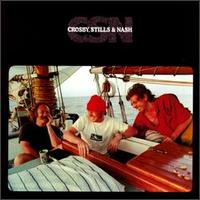
Dopo vari anni, che hanno fruttato un live, un'antologia, e qualche buon album come solista, Crosby, Stills e Nash riformano il gruppo, senza Neil Young, e pubblicano un nuovo lavoro di inediti. Il disco ottiene un grande successo di vendite ma viene, a mio parere erroneamente, snobbato dalla critica. La musica si é fatta più leggera, la melodia più orecchiabile, ma l'album é ricco di pezzi memorabili che, al contrario, contribuiscono ad avvicinare a questo tipo di suono, anche chi non aveva amato particolarmente il folk-rock degli esordi. Stephen Stills firma gli epidodi più movimentati del disco, le notevoli "Fair game" e "Dark star", mentre Graham Nash compone soffici ballate come "Carried away", "Just a song before I go" e la notissima "Cathedral". Solamente David Crosby rimane in disparte, firmando due soli pezzi non particolarmente riusciti.
Le voci dei tre artisti sono sempre straordinarie e, anche se questo non sarà un disco fondamentale nella storia della musica, é comunque piacevolissimo da ascoltare.
Produttori: Crosby, Stills & Nash with Ron and Howard Albert
Musicisti:
Batteria: Joe Vitale, Russ Kunkel
Chitarre: David Crosby, Stephen Stills
Piano: Graham Nash, Craig Doerge, Joe Vitale
Basso George Perry, Tim Drummond, Gerald Johnson, Jimmy Haslip
Organo: Joe Vitale
Armonica: Graham Nash
Voci: Crosby, Stills & Nash
Brani:
1. Shadow captain
2. See the changes
3. Carried away
4. Fair game
5. Anything at all
6. Cathedral
7. Dark star
8. Just a song before I go
9. Run from tears
10. Cold rain
11. In my dreams
12. I give you give blind
Daylight again (Atlantic 1982)
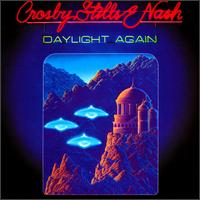
Sono passati cinque anni dal precedente lavoro quando il trio di artisti si riunisce e pubblica un nuovo album. In pratica, però, il lavoro é frutto delle fatiche dei soli Stills e Nash in quanto David Crosby, sofferente di gravi problemi con la droga, compone un solo brano, limitandosi ai controcanti negli altri pezzi. La musica é ormai un orecchiabile country-rock, costruito però sempre con gusto, che frutta anche due buoni successi con i singoli estratti, la melodica "Wasted on the way" di Nash e la ritmata "Southern cross" di Stills. Responsabili del suono del disco sono una ricca schiera di musicisti, nomi notissimi della musica californiana e, caso strano, anche vocalist aggiuntivi, cosa mai successa nei lavori precedenti del gruppo.
Nel complesso l'album é discreto, ma la copertina é bruttissima.(Mia nota: a me non dispiace)
Produttori: Crosby, Stills & Nash with Stanley Johnston and Steve Gursky
Musicisti:
Batteria: Joe Vitale, Russ Kunkel, Jeff Porcaro
Basso: George Perry, Bob Glaub, Leland Sklar, Timothy B. Schmit
Chitarre: Michael Stergis, Graham Nash, Stephen Stills, Joel Bernstein,
Dean Parks
Organo: Mike Finnigan, Jay Ferguson
Tastiere e sintetizzatore: Craig Doerge
Rhodes: Stephen Stills
Percussioni: Joe Lala
Voci soliste e cori: Crosby, Stills and Nash
Voci addizionali: Mike Finnigan, Timothy B. Schmit, Michael Stergis,
Art Garfunkel
Brani:
1. Turn your back on love
2. Wasted on the way
3. Southern cross
4. Into the darkness
5. Delta
6. Since I met you
7. Too much love to hide
8. Song for Susan
9. You are alive
10. Might as well have a good time
11. Daylight again
Allies (Atlantic 1983) live
Live it up (Atlantic 1990)
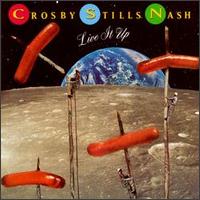
Questa sì è una brutta copertina!
Veramente altalenante la carriera di Crosby, Stills & Nash che avevano, insieme a Neil Young, dato vita ad un buon disco come "American Dream" solamente due anni prima. In questo nuovo album Young é di nuovo scomparso, ma il peggio é la pessima qualità delle composizioni presenti, che lasciano l'ascoltatore veramente con l'amaro in bocca. Come é possibile che un trio ricco di gloria e tradizione come CSN debba incidere un orribile brano come la title-track firmata da Joe Vitale. Ma anche tutti gli altri pezzi, scritti o co-scritti dai tre artisti non riescono a raggiungere una qualità sufficiente a giustificare la pubblicazione dell'album. Pessima anche la produzione e gli arrangiamenti, in cui dominano quasi sempre dei freddi sintetizzatori e veramente orribile la copertina.
Probabilmente il peggior lavoro dell'intera discografia del gruppo, in cui l'evidente carenza di idee avrebbe meglio comportato un più onesto silenzio.
Produttori: Joe Vitale, Stanley Johnston, Graham Nash, Stephen Stills, David Crosby
Musicisti:
Batteria: Joe Vitale
Chitarre: Stephen Stills, Michael Landau, Roger McGuinn, David Crosby,
Graham Nash
Tastiere: Joe Vitale, Craig Doerge, Stephen Stills
Basso: Leland Sklar, Bob Glaub
Piano: Bruce Hornsby
Percussioni: Mike Fisher, Michito Sanchez
Sassofono: Branford Marsalis
Voci soliste e cori: Crosby, Stills &
Nash
Brani:
1. Live it up
2. If anybody had a heart
3. Tomboy
4. Haven't we lost enough?
5. Yours and mine
6. (Got to keep) Open
7. Straight line
8. House of broken dreams
9. Arrows
10. After the dolphin
After the Storm (Atlantic 1994)
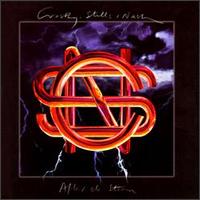
Una gran bella sorpresa questo album di Crosby, Stills & Nash che esce a quattro anni di distanza dal mediocre "Live it Up"(90). Sotto la produzione dell'esperto Glyn Johns, artefice dei primi lavori degli Eagles, i tre artisti ritrovano una perfetta intesa, sia a livello compositivo che vocale, dando vita ad un ottimo disco ricco di parecchi episodi di rilievo. Subito in evidenza Stills con l'iniziale "Only wating for you", splendido pezzo perfettamente ritmato e con un grande uso delle voci, ma i suoi compagni non sono da meno. Crosby, che negli ultimi lavori si era tenuto in disparte, scrive e canta tre eccellenti brani, l'acustica "Camera" e le rockeggianti "Till it shines" e "Strett to lean on", mentre Nash firma due melodiche ballate come "These empy days" e la title-track che sembrano provenire direttamente dagli anni '70.
Un bel disco che ricorda nei suoni l'album del 1977 e che consiglio a tutti i fans di CSN e agli amanti della musica d'autore in generale.
Produttori: Glyn Johns
Musicisti:
Batteria: Jody Cortez, Ethan Johns, Tris Imboden, Rick Marotta
Chitarre: Stephen Stills, David Crosby, Graham Nash, Ethan Johns,
Michael Hedges
Basso: Stephen Stills, James Hutchinson, Alexis, Sklarevski, Freebo
Piano: Stephen Stills, Graham Nash
Tastiere: Craig Doerge, Joe Rotondi
Armonica: Graham Nash
Organo: Mike Finnigan
Sintetizzatore: Mike Finnigan
Percussioni: Raphael Padilla
Voci: Crosby, Stills & Nash
Brani:
1. Only waiting for you
2. Find a dream
3. Camera
4. Unequal love
5. Till it shines
6. It won't go away
7. These empty days
8. In my life
9. Street to lean on
10. Bad boyz
11. After the storm
12. Panama
Crosby Stills Nash & Young:
Dejà Vu (Atlantic 1970)
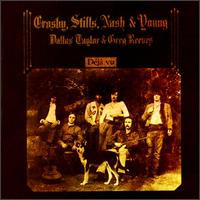
Sul finire del 1969 Neil Young si unisce a Crosby, Stills & Nash per un concerto al Fillmore East di New York ed appare con il trio anche al mitico concerto di Woodstock. Con la formazione ampliata a quartetto viene così pubblicato "Dejà Vu", che surclassa il successo del disco precedente e diventerà il lavoro più famoso del gruppo ed uno dei migliori album di musica folk-rock di tutti i tempi.
Il sound si fa più elettrico, le armonie vocali incredibilmente perfette ed i brani, ben distribuiti tra soffici melodie e pezzi tirati, contribuiscono a rendere più vario e interessante il lavoro. Fenomenale l'iniziale "Carry on" di Stills, così come la splendida "Helpless" di Neil Young, ma é Graham Nash a scrivere i due pezzi di maggior successo del disco. "Our house" e "Teach your children", le composizioni più melodiche dell'album, portano infatti la sua firma ed avranno un grande riscontro di vendite insieme al terzo singolo estratto, la "Woodstock" di Joni Mitchell. (Mia nota: eccezionali anche i pezzi di David Crosby "Almost cut my hair" e "Deja vu".)
Disco fenomenale, unico nel suo genere, anche perché dopo la sua pubblicazione cominciano gli attriti tra i quattro artisti che porteranno ad una separazione del gruppo durata per anni.
Produttori: Crosby, Stills, Nash & Young
Musicisti:
Batteria: Dallas Taylor
Chitarre: David Crosby, Stephen Stills, Graham Nash, Neil Young
Basso: Greg Reeves, Stephen Stills
Organo: Stephen Stills
Voci: Crosby, Stills, Nash & Young
Brani:
1. Carry on
2. Teach your children
3. Almost cut my hair
4. Helpless
5. Woodstock
6. Dejà vu
7. Our house
8. 4+20
9. Country girl
10. Everybody I love you
Four way street (Atlantic 1971) live (recensione dal sito http://www.landscape.it/viceversa/ )
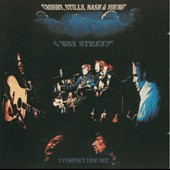
Una strada a quattro corsie: immagine efficace per descrivere quattro talenti assoluti che si incontrano, si sovrappongono a tratti felicemente, mantenendo ciascuno la sua individualità. CSNY, salutati come ennesimo supergruppo allora di moda, erano in realtà quanto più lontano dall'idea di band si possa concepire. Piuttosto, una collaborazione a quattro dalla quale sono sortite solo poche azioni comuni.
Ognuno suona il suo brano, di volta in volta impreziosito dall'intervento altrui, secondo cliché ben definito: il dolce Nash, lo scontroso Young, l'introspettivo Crosby e l'estroverso Stills. Questo album, pure epocale e irrinunciabile, è responsabile di aver dato la stura ad una serie infinita di luoghi comuni che il tempo doveva poi smentire, visto che gli aggettivi tra i quattro sono largamente intercambiabili.
Resta uno straordinario doppio album dal vivo (due facciate acustiche e due elettriche) con alcune delle canzoni più belle mai ascoltate sulla faccia della Terra: "On The Way Home", "Triad", "Cowgirl in The Sand", "49 Bye Byes", capaci ancora oggi di suscitare incanto, emozione e nostalgia.
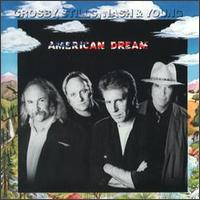
Sembra incredibile pensare che questo sia solo il secondo lavoro in studio del quartetto. Dopo lo stupendo "Dejà Vu"(70), Neil Young aveva partecipato al live "Four Way Street"(71) per poi abbandonare il gruppo e dedicarsi alla carriera solista. Ma in questo caso é proprio lui a tirare le fila dell'operazione ed a spingere per la pubblicazione di un nuovo disco con l'illustre sigla di CSNY. Nasce così un buon album, ricco di brani più che discreti, con alcune punte di eccellenza ma anche con qualche caduta di tono. Molto bella la title-track e "Name of love", entrambe firmate da Neil Young, notevole anche "Got it made" di Stills, mentre Graham Nash si distingue sempre per la sua vena melodica con la delicata "Clear blue skies".
I brani rimanenti non sono memorabili, ma non incidono negativamente sulla buona valutazione dell'album che merita di essere ascoltato per le sempre straordinarie armonie vocali dei quattro artisti.
Produttori: Niko Bolas and Crosby, Stills, Nash & Young
Musicisti:
Batteria: Joe Vitale, Chad Cromwell
Basso: Bob Glaub
Chitarre: Neil Young, Stephen Stills, Graham Nash, David Crosby
Tastiere: Stephen Stills, Joe Vitale, Graham Nash
Sintetizzatore: Joe Vitale
Piano: Graham Nash, Neil Young
Organo: Mike Finnigan
Percussioni: Joe Lala, Neil Young, Stephen Stills
Corni: Larry Cragg, Steve Lawrence, Tommy Bray, Claude Calliet, John
Fumo
Voci soliste e cori: Crosby, Stills, Nash &
Young
Brani:
1. American Dream
2. Got it made
3. Name of love
4. Don't say goodbye
5. This old house
6. Nightime for the generals
7. Shadowland
8. Drivin' thunder
9. Clear blue skies
10. That girl
11. Compass
12. Soldiers of peace
13. Feel your love
14. Night song
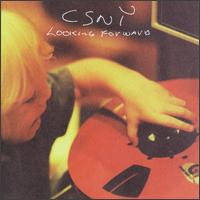
Incredibile ma con questo disco assistiamo all'ennesimo ritorno in formazione di Neil Young, che così ricompone il quartetto a undici anni di distanza da "American Dream"(88). Il lavoro, sinceramente, non é niente di speciale: qualche discreta composizione condita come sempre dalle belle voci dei quattro artisti non né fa sicuramente un capolavoro ma solo un discreto album di country-rock adatto ai nostalgici degli anni '70. E' un difetto? Forse no, quando si possono ancora ascoltare brani come "Heartland" di Graham Nash, "Slowpoke" e "Looking forward" di Neil Young e "Dream for him" di Crosby, che ci fanno ricordare che gli inventori di un suono che ha fatto epoca sono ancora in attività.
Produttori: Crosby, Stills, Nash, Young and Joe Vitale
Musicisti:
Batteria: Joe Vitale, Jim Keltner
Chitarre: Stephen Stills, Neil Young, Ben Keith, David Crosby
Basso: Stephen Stills, Donald Dunn, Gerald Johnson
Piano: James Raymond
Tastiere Craig Doerge, Spooner Oldham
Organo: Stephen Stills, Spooner Oldham, Mike Finnigan
Percussioni: Alex Acuna, Joe Lala, Lenny Castro. Luis Conte
Voci: Crosby, Stills, Nash & Young
Brani: Crosby & Nash:
1. Faith in me
2. Looking forward
3. Stand and be counted
4. Heartland
5. Seen enough
6. Slowpoke
7. Dream for him
8. No tears left
9. Out of control
10. Someday soon
11. Queen of them
12. Sanibel
Graham Nash David Crosby (Atlantic 1972)
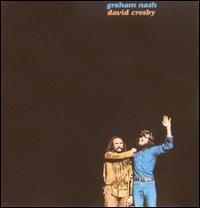
Produttori: David Crosby, Graham Nash, Bill Halverson
Musicisti:
Drums: Russ Kunkel, Johnny Barbata, Billy Kreutzman
Bass: Leland Sklar, Greg Reeves, Phil Lesh, Chris Ethridge
Guitars: Danny Kortchmar, David Mason, Jerry Garcia, David Crosby,
Graham Nash
Piano & Organ: Craig Doerge, Graham Nash
Harmonica: Graham Nash
French Horn: David Duke, Arthur Maebe, George Price
All Vocals: Graham Nash, David Crosby
Brani:
1. Southbound train
2. Whole cloth
3. Blacknotes
4. Strangers room
5. Where will I be?
6. Page
7. Frozen smiles
8. Games
9. Girl to be on my mind
10. The wall song
11. Immigration man
Wind on the water (Polydor 1975)
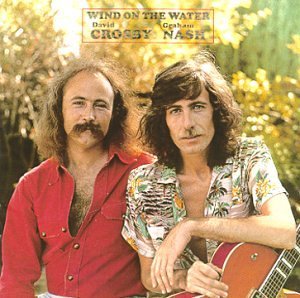
Produttori: David Crosby, Graham Nash
Musicisti:
Drums: Levon Helm, Russ Kunkel
Bass: Tim Drummond, Leland Sklar
Guitars: Joel Bernstein, David Crosby, Ben Keith, Danny Kortchmar,
David Lindley
Keyboards: Craig Doerge, Carole King, Graham Nash, Stan Szelest
Lead Vocals: David Crosby, Graham Nash
Background Vocals: Jackson Browne, Carole King, James Taylor, David
Crosby, Graham Nash
Brani:
1. Carry me
2. Mama lion
3. Bittersweet
4. Take the money and run
5. Naked in the rain
6. Love work out
7. Low down payement
8. Cowboy of dreams
9. Homeward through the haze
10. Fieldworker
11. To the last whale:
a) Critical mass
b) Wind on the
water
Whistling down the wire (Polydor 1976)
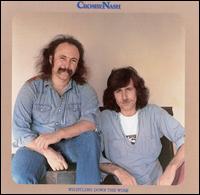
Produttori: David Crosby, Graham Nash
Musicisti:
Drums: Russ Kunkel
Bass: Tim Drummond
Guitars: David Lindley, Danny Kortchmar, David Crosby, Graham Nash
Piano & Organ: Craig
Doerge
Percussion: Russ Kunkel
Harmonica: Craig Doerge, Graham Nash
All Vocals: David Crosby, Graham Nash
Brani:
1. Spotlight
2. Broken bird
3. Time after time
4. Dancer
5. Mutiny
6. J. B's blues
7. Marguerita
8. Taken at all
9. Foolish man
10. Out of the darkness
Live (ABC 1977)
Another stoney evening (A. & M. 1988) (Registrazione dal vivo del 1971)
Crosby & Nash (Sanctuary Records Group, doppio CD, 2004)
Produttori: Nathaniel Kunkel, Russ Kunkel, Graham Nash, David Crosby
Musicisti:
Drums: Russ Kunkel
Bass: Leland Sklar
Guitars: David Crosby, Graham Nash, Dean Parks, Jeff Pevar, Dan
Dugmore, Steve Farris
Piano: Graham Nash, Matt Rollings
Keyboards: James Raymond
Harmonica: Graham Nash
Percussion: Russ Kunkel, Luis Conte
Lead Vocals: David Crosby, Graham Nash
Background Vocals: Arnold McCuller, Kate Markovitz, Windy Wagner, David
Crosby, Graham Nash
Brani:
| Disco 1 1. Lay me down 2. Puppeteer 3. Through here quite often 4. Grace 5. Jesus of Rio 6. I surrender 7. Luck dragon 8. On the other side of town 9. Half your angels 10. They want it all 11. How does it shine? |
Disco 2 1. Don't dig here 2. Milky way tonight 3. Charlie 4. Penguin in a palm tree 5. Michael (hedges here) 6. Samurai 7. Shining on your dreams 8. Live on (the wall) 9. My country 'tis of thee |
David Crosby:
If I could only remember my name (Atlantic 1971)
Oh yes I can (A. & M. 1989)
Thousand roads (Atlantic 1993)
It's all coming back to me (Atlantic 1995)
King Biscuit Flower presents David crosby (BMG 1996)
Graham Nash:
Songs for beginners (1971)
Wild tales (1974)
Earth and sky (1980)
Innocent eyes (1986)
Songs for survivors (2002)
Testi
I testi di alcune canzoni
***
Foolish man>(David Crosby)
I feel like a child
Feel as if I might of grown up wild
And I feel like a fool
Feel as if I didn't do well in school
And I keep expecting
things that don't happen
Should but they don't
could but they won't
And I don't see
no I don't see
Just don't understand
I must be such a foolish man
And I would laugh
if I could laugh
But it's so damn close to the bone
would make you feel alone
And time just flies
yes it does
Seems like fortunes moment
passes
Blind to delight and free
from the weight of masses
But I keep expecting
things that don't happen
Should but they don't
could but they won't
And I don't see
no I don't see
I just don't understand
I must be such a foolish man
Foolish yes
Be like a fool
Fool, fool yeah
Southern Man (Neil Young)
Southern man
Better keep your head
Don't forget what your
Good book says
Southern change
Gonna come at last
Now your crosses are
Burning fast
Southern man
I saw cotton and I saw black
Tall white mansions and little shacks
Southern man when will you pay them back
I heard screaming and bull whips cracking
How long? how long? Ah!
Southern man better keep your head
Don't forget what your good book says
Southern change gonna come at last
Now your crosses are burning fast
Southern man
Lilly Bell your hair is bourbon/golden(?) brown
I've seen your black man comin' round
Swear by god i'm gonna cut him down
I heard screamin' and bullwhips crackin'
How long? how long?
Almost cut my hair- David Crosby
Almost cut my hair
It happened just the other day
It was getting kind of long
I could have said it was in my way
But I didn't and I wonder why
I feel like letting my freak flag fly
And I feel like I owe it to someone
Must be because I had the flu for Christmas
And I'm not feeling up to par
It increases my paranoia
Like looking into a mirror and seeing a police car
But I'm not giving in an inch to fear
Cos I promised myself this year
I feel like I owe it to someone
When I finally get myself together
I'm gonna get down in some of that sweet summer weather
I'm going to find a space inside to laugh
Separate the wheat from the chaff
Cos I feel like I owe it, yeah
Said I feel like I owe it, yeah
You know I feel---- like I owe it yeah to someone
(continua)
Atheist
Incuriosito dal nome, ho cercato in Internet qualcosa su questa band definita di "trash/heavy/death metal". E qui di seguito inserisco una scelta di quello che ho trovato.
Il sito http://www.hmportal.it (dovete cercare "Atheist") non mi ha dato il permesso di pubblicare il loro materiale.
Dal sito http://www.hail.it/ la recensione del primo disco "Piece of time". Inserito nella sezione "Recensioni" il 28 aprile 2003 alle 19:24:38 da IHumanI
 |
Risale al lontano 1990 questo gioiellino che rappresenta il debutto di una delle poche band (al pari solo di Cynic e Death) che meglio è riuscita ad interpretare l’evoluzione di quel neonato movimento che prendeva il nome di death metal. “Piece of Time” è il primo capitolo della discografia di una band che, nel breve periodo in cui è stata attiva, si è resa artefice di sperimentazioni in campo death metal che hanno influenzato pesantemente le produzioni successive e che ancora oggi possono dire la loro. Si parte con la title-track, probabilmente il miglior episodio del disco intero, una song breve ma intensa, che racchiude in sé le coordinate dell’intero album: l’incipit è caotico, i cambi di tempo sono frequenti ed a volte disarmanti nella loro imprevedibilità, ma l’impressione che si ha è che non ci sia nulla fuori posto, che tutto fili alla perfezione: ogni pezzo è un discorso che inizia e finisce, la coesione tra i riff è perfetta senza sbavature di nessun tipo. Nella seguente “Unholy War” i nostri spingono sull’acceleratore, è questo il brano più aggressivo del disco, e ne risultano circa due minuti e mezzo di puro piacere fisico. Si va avanti con le successive tracce, tra cui spiccano in particolare “On they Slay” e “Beyond”, in cui i nostri assecondano il loro lato più trash (chi ha detto Slayer?) per poi concludere con la trionfale “No Truth”, adeguatamente preceduta da una claustrofobica intro che forse deve qualcosina ai primi Morbid Angel, che rappresenta una chiusura più che degna di un tale capolavoro. “Piece of Time” è, come già detto, solo l’inizio del percorso musicale degli Atheist, ma è qui che i nostri hanno gettato le basi per le successive storiche releases; già in “Piece of Time” emerge l’attitudine jazz della band, esplicitata in modo particolare dal selvaggio bass working di un Roger Patterson che molto poco ha da invidiare a Di Giorgio e compagnia bella, anche se in questa occasione, è più che evidente, la band ha lasciato emergere (sfogare?) il proprio lato più “metal” e più aggressivo. Assolutamente da avere!
Strawbs
Foto dal sito ufficiale di Strawbs http://www.strawbsweb.co.uk/ |
Dal sito http://www.scaruffi.com/vol2/strawbs.html , col permesso dell'autore, una breve storia del gruppo britannico degli Strawbs
***
Gli Strawbs nacquero nell'ambito del folk revival Inglese degli anni '60, ma presto si distaccarono da quel filone per proporre una musica folk-rock molto più originale. Dave Cousins aveva anzi cominciato con il bluegrass, uno dei primi in Inghilterra a cimentarsi con il genere dei puristi americani. Lasciato il banjo per la chitarra acustica, e incontrata la cantante Sandy Denny (che aveva debuttato con un album omonimo l'anno precedente), Cousins si convertì al folk britannico, conservando però le influenze della musica americana.
Preserved uncanned (Dirty Linen, 1992) presenta registrazioni del 1968, quando gli Strawbs erano ancora noti come Strawberry Hill Boys.
La formazione originale degli Strawbs, con Dave Cousins al canto e alla chitarra, Sandy Denny al canto e Tony Hooper alla chitarra, registrò All our own work (Hannibal, 1968), che contiene la prima versione di Who knows where the time goes di Denny.
Denny passò ai Fairport Convention e gli altri registrarono Strawbs (A&M, 1969), che contiene Man who calls himself Jesus e The battle, e poi Dragonfly (A&M, 1970), che contiene Josephine for better or worse.
Rick Wakeman, enfant prodige delle tastiere, si unì agli Strawbs per il live Just a collection of antiques and curios (A&M, 1970). Le sue tastiere acrobatiche marchiano a fuoco From the witchwood (A&M, 1971). I suoi "arpeggiato" furibondi trasformano i brani in fughe barocche (The Hangman and the papist).
Sostituito Wakeman (che si era unito agli Yes) con il più umile Blue Weaver, Dave Cousins giunse nel 1972 alle prove della maturità, l'album solista Two weeks last summer (A&M, 1972), con la suite Blue angel in tre movimenti, e soprattutto Grave new world (A&M, 1972) degli Strawbs.
Quest'ultimo, benché ispirato alle musiche antiche e in particolare alla liturgia sacra (parente non troppo lontano della Mass degli Electric Prunes), appartiene più alla psichedelia e al progressive-rock che al folk. E' un'opera di mistica contemplativa appena intaccata da una vena di estetismo, dove superbe melodie proclamano la fede nei valori assoluti della natura (l'inno francescano Benedictus), della magia (il raga Queen of the dreams), della palingenesi (l'ode apocalittica e cosmica di New world) e della trascendenza (il mantra Is it today Lord) con un fervore drammatico da predicatore. Gli arrangiamenti fondevano ballata acustica, organo da chiesa, elettronica, raga, psichedelia e cori liturgici.
Fu però anche il principio della decadenza (mia nota: non sono completamente d'accordo). Hooper lascio` il gruppo e Bursting at the seams (1973) virò verso un sound più esuberante e quasi hard-rock, che peraltro portò in classifica Lay down e Part of the Union. Down by the sea e Tears and pavan furono le ultime composizioni nello stile di Grave new world. Mellotron e sintetizzatori costruivano atmosfere maestose e la chitarra le perforava con epico furore: ma del magico misticismo degli Strawbs non era rimasto molto.
Proprio questa composizione indicava quale fosse la nuova direzione del gruppo: la fantasia melodica in chiave tragica, arrangiata con strumenti barocchi, e con spunti di danza medievale. Sul successivo Hero and heroine (1974) sara la caleidoscopica Autumn, fra delicate rapsodie e fraseggi accesi, con un melodismo appena più appassionato, a dare tono al disco, sul quale svettano un'altra ouverture festosa, Hero and heroine, e un altro inno radioso, Shine on silver sun. Lo spirito di queste musiche eclettiche e intensamente religiose venne però tradito dai dischi successivi, persi nella spirale di un rhythm and blues sempre più lontano da quelle origini.
Il bassista Richard Hudson e il batterista John Ford lasciarono gli Strawbs e cominciarono una carriera nella musica da classifica come Hudson-Ford con gli album Nickelodeon (1973), Free spirit, Worlds collide.
Cousins continua` con gli Strawbs: Ghosts (1975), Nomadness (1975), Deep cuts (1976), Burning for you (1977), Deadlines (Arista, 1978). Gli Strawbs si sciolsero nel 1978.
Aggiornamento del novembre 2004, da me integrato e tradotto
Il doppio Best of (A&M, 1978) è un'antologia dal 1970 al 1975.
Dave Cousins e Brian Willoughby hanno inciso Old school songs (1979) e The bridge (1994).
Gli Strawbs si riformano ed incidono Don't say goodbye (1987), Preserves uncanned nel 1990, un doppio CD con vecchio materiale, Sandy and the Strawbs (1991), Ringing down the years (1991), Greatests hits live (1993), Heartbreak hill (1995), BBC in concert (1995), Concert classics (1999), The complete Strawbs (2000), Blue angel (2003), Deja Fou (2004).
Baroque & Roll è uscito nel 2001 a nome Acoustic Strawbs. È stato seguito poi, nel 2004, da Full bloom.
Rick Wakeman e Dave Cousins hanno inciso Hummingbird (2002).
****
Aggiornamento al 30 marzo 2009 dc:
Strawbs
Live at Nearfest, 2005
Recollection, 2006
A taste of Strawbs, 2006, cofanetto di rarità con 5 cd
Heartbreak Hill platinum edition, 2006
Strawbs NY '75, 2007
Lay down with the Strawbs, 2008
The broken hearted bride, 2008
Rick Wakeman & Dave Cousins
Live 1988, 2005
Acoustic Strawbs
Painted sky, 2005
Dave Cousins
The boy in the sailor suit, 2007
Secret paths, 2008
Duochrome, 2008
Dave Lambert
Work in progress, 2004
Lambert & Cronk
Touch the earth, 2007
Cousins & Conrad
High seas, 2005
***
Una intervista a Dave Cousins a questo indirizzo: http://www.liverock.it/tuttarec-interv.php?chiave=12
***
Una recensione di Grave new world al sito http://utenti.lycos.it/musicfan/recensioni59.htm
***
Una recensione di From the witchwood alla pagina http://www.eventyr-records.it/eventyrmag/07/strawbs-from.htm e di Just a collection af antiques and curious alla pagina http://www.eventyr-records.it/eventyrmag/10/strawbs-just.htm ,
Testi
I testi di alcune canzoni:
***
We'll meet again sometime
(Cousins)
I only have my memories to last me the remainder of
my days
For time has now decided that we must go our individual ways
The warmth I feel inside can more than overcome my loss
But this is me today and tomorrow I must count the cost.
We'll meet again sometime
Though the road is steep and very hard to climb.
The pleasures of a lifetime condensed into a fleeting glimpse of truth
A moment of delight as when a child receives a sixpence for a tooth
The simple things in life mean more to me than money ever buys
The greatest thing for me to see my love reflected in your eyes.
We'll meet again sometime
Though the road is steep and very hard to climb.
We'll meet again sometime
Though the way is never clear
My sacrifice is made
Everything that I hold dear
We'll meet again sometime
Though the road is steep and very hard to climb.
Oh lover of a lifetime let me look upon your loveliness alone
Oh but I cannot gaze too long for I fear that it will turn me into stone
A monument to life to stand forever by your grave
Inscribed for all to see, a message of respect, {quotes}Be
brave{quotes}.
For we'll meet again sometime
Though the road is steep and very hard to climb.
pubblicata in
Dave Cousins: Two weeks last
summer, 1972; Lato 2, Traccia 4
Preserves uncanned (2-cassette/2CD), 1991; Lato 1, Traccia 9
Halcyon days (2CD, UK), 1997;
Lato 2, Traccia 6
Old school songs, 1979
When you were a child
(Cousins)
When you were a child you were a friend of mine
And I loved you in my way
But though we grew apart, and I lost touch with you
It still seems like yesterday
I haven't seen you in a long time
Oh, but I bet you look the same way you always did
When you were a child you were a friend of mine
And I loved you in my way.
When you were a child you used to paint for me
And I loved you in my way
In time the paintings faded and were set aside
They have now been thrown away
I haven't seen you in a long time
Oh but I bet you look the same way you always did
When you were a child you used to paint for me
And I loved you in my way.
When you were a child you used to laugh for me
And I loved you in my way
But as the laughs turned silver they cost too much
You were far too grown to play
Though I hadn't seen you in a long time
Oh I just knew you'd look the same way you always did
When you were a child you used to laugh for me
And I loved you in my way.
pubblicata in
Old school songs, 1979
Dave Cousins: Two
weeks last summer, 1972; Lato 2, Traccia 2
Lay down
(Cousins)
By still waters I lay down with the
lambs
In pastures green I made peace with my soul
And I cared not for the night
While my guiding star shone bright
By still waters I lay down
I lay down.
Lay down, I lay me down
Lay down, I lay me down
Lay down, I lay me down
For my soul.
At the roadside I took toll of my times
In dirty streets I found peace for my soul
May the merciful be right
Are you ready for the night
At the roadside I lay down
I lay down.
Lay down, I lay me down
Lay down, I lay me down
Lay down, I lay me down
For my soul.
In deep sorrow I took flight with the sun
From mountains high I gained strength for my soul
I proved stronger than the test
When my spirit came to rest
In deep sorrow I lay down
I lay down.
Lay down, I lay me down
Lay down, I lay me down
Lay down, I lay me down
For my soul.
pubblicata in
Bursting at the seams, 1973; Lato 2,
Traccia 4
By choice, 1974; Lato 2, Traccia 4
Best of the Strawbs (2LP), 1978; Lato 2 , Traccia
16
Old School Songs, 1979; Lato 2, Traccia 5
A choice selection of Strawbs, 1992; Lato 1,
Traccia 1
Greatest hits live, 1993; Lato 1, Traccia 10
BBC in concert, 1995; Lato 1, Traccia 11
Halcyon days (2CD, UK), 1997; Lato 1, Traccia 15
Halcyon days (2CD, USA), 1998; Lato 2, Traccia 6
(continua)
commenti, contributi e opinioni
kynoos@jadawin.info